Choose engine oil for a 2007–2008 Honda Accord
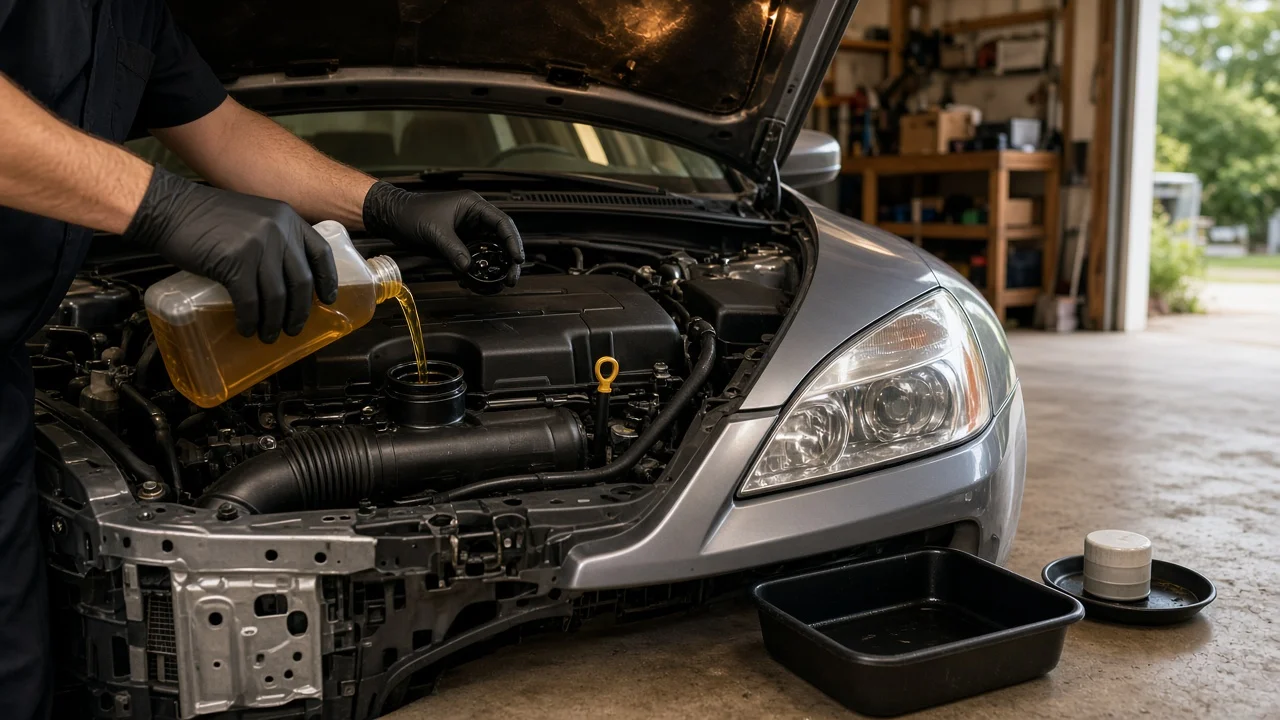
Choosing the correct lubricant for a 2007 or 2008 Honda Accord depends on the engine fitted to the car. The four-cylinder and V6 configurations do not necessarily respond the same way to every viscosity, and the owner’s manual remains the controlling reference for the factory lubricant specification. A proper match supports cold-start protection, stable oil pressure and long-term wear control without overcomplicating the purchase. Because the 2008 model shares its fundamental engine architecture with the 2007 model, owners often research both years together when comparing fill quantity, service intervals and everyday climate conditions.
Essential answer
The essential answer is to use the viscosity and performance standard listed for the specific engine before considering aftermarket alternatives. On both model years, the practical first step is confirming whether the car has the four-cylinder or the V6 package, because the honda accord 2007 v6 oil type discussion frequently leads to a different owner’s-manual entry than the four-cylinder recommendation. A quality conventional, synthetic-blend or full-synthetic product can be acceptable when it meets the required industry specification and viscosity, but the grade is only part of the protection story.
Identification matters before draining the sump. The fill quantity and oil-filter choice follow the original equipment configuration, and a honda accord 2008 engine oil change should not begin from an uncertain trim assumption. Once the engine is identified, the lubricant specification gives the minimum standard for detergency, oxidation resistance and bearing protection. Any product that satisfies that standard and the correct viscosity is a reasonable candidate, while a different grade may still work but falls outside the factory-defined comfort zone.
Relevant alternatives
When comparing conventional, synthetic-blend and full-synthetic oils, the trade-off is usually between purchase price and long-term stability. Full-synthetic products tend to resist high-temperature breakdown better and flow more predictably during winter starts, which is useful for short-trip commuting. A conventional product meeting the correct manufacturer approval can still protect the engine if the service interval is followed, but it may require more consistent attention to level-check habits and shorter change cycles under severe conditions.
For drivers weighing alternatives, climate and driving routine should guide the choice more than brand loyalty. Hot-weather highway use and repeated cold starts place different demands on the oil film, and the correct grade must remain stable across those conditions. The 2007 and 2008 Accord engines are mature designs with well-established lubricant requirements, so the realistic goal is not a single perfect product but a consistent oil that matches the manual and is available at a sensible price. A carefully maintained level and interval usually influence engine life more than switching between two compliant brands.