Choose brake fluid for a 1999 Civic
Choosing the correct brake fluid for a 1999 Civic keeps the hydraulic braking circuit stable under heat and load. A sixth-generation Civic of this vintage was commonly filled with a glycol-based DOT 3 or DOT 4 fluid, depending on the original cap labeling and service history. The 99 Civic brake fluid choice affects pedal feel, caliper response, and moisture tolerance, but it does not override mechanical wear at the brake pads, rotors, or friction material. Standard passenger-car use is well served by a fluid that meets or deliberately exceeds the factory baseline without introducing incompatible chemistry.
Essential answer
A 1999 Civic normally uses a DOT 3 brake fluid as the baseline. DOT 3 is a polyglycol-ether fluid with a controlled boiling point that suits ordinary street braking, and it is widely available in US auto parts stores. DOT 4 shares the same base chemistry but has a higher dry and wet boiling point, which makes it a practical upgrade when the system sees repeated hard stops or long downgrades. For this model, the safest direct answer is to use a DOT 3 or DOT 4 fluid from a sealed container, confirming the reservoir cap or owner’s manual matches that fluid type before adding it.
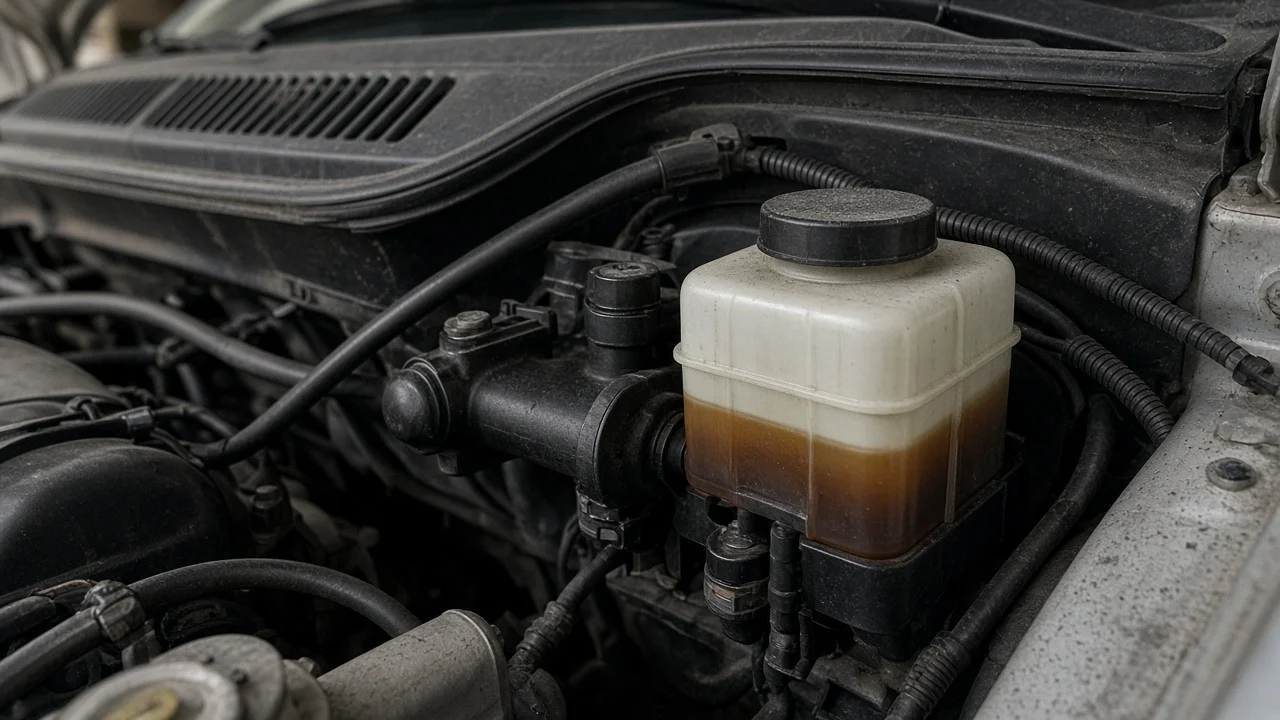
Moisture absorption is the main reason the fluid cannot be selected only by brand. Glycol-based fluid pulls water from humid air through vented reservoirs and seals, so a sealed bottle is more important than a long shelf life. Over time, dissolved water lowers the boiling point and can make the pedal feel soft after hard use. Brake pads and rotors may still have adequate wear limits, while old fluid makes the caliper respond sluggishly. A clean reservoir and fresh fluid help preserve consistent hydraulic pressure even when the friction material is still within its serviceable range.
Relevant alternatives
DOT 3 and DOT 4 are the relevant alternatives for this vehicle fitment. DOT 3 is the conservative, widely compatible choice and meets the original specification for most examples. DOT 4 raises the thermal margin and is chemically compatible with DOT 3, so it can be used when the owner wants extra protection for mountain driving or repeated braking. The main difference is not viscosity at room temperature but how the fluid behaves as heat and moisture accumulate, making DOT 4 preferable if the Civic regularly carries weight or descends long grades.
Silicone-based DOT 5 is not a direct substitute because it does not blend with the glycol fluid already in the system and can trap water in separate pockets. DOT 5.1 is glycol-based and offers high boiling points, but it is generally more than a stock 1999 Civic requires for normal commuting. Unless the braking system has been fully drained, flushed, and confirmed clean, the practical choice is to stay within DOT 3 or DOT 4. The caliper seals, master cylinder, and fluid level should be inspected at the same time so a fluid change is not masking a leak or worn friction material.