Chevy Trailer Sway Control

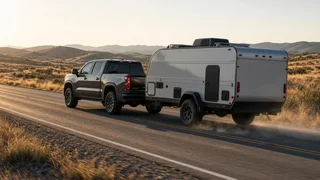
Chevy trailer sway control is a stability feature designed to help a pickup or SUV manage the side-to-side yaw motion that can develop when a trailer begins oscillating behind the tow vehicle. It builds on the truck’s existing StabiliTrak electronic stability control by watching for the characteristic movement pattern of a swaying trailer. When that pattern appears, the system can intervene through selective braking and engine torque management to help the driver bring the combination back under control before the oscillation grows into a dangerous event.
Essential answer
The essential answer is that this is an integrated electronic stability function, not a separate mechanical device bolted onto the hitch. It uses the vehicle’s yaw sensor, steering angle information, and wheel speed data to detect the rhythmic side load a swaying trailer applies to the rear axle. Once the motion crosses a programmed threshold, the system responds by applying brake pressure at individual wheels and reducing engine output, which pulls the trailer straight and dampens the oscillation faster than a driver can react manually.
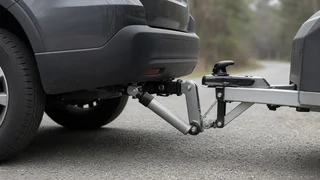
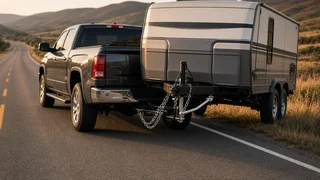
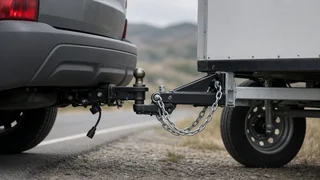
Because the system relies on the truck’s existing brake modulator and stability controller, its behavior depends on the tow vehicle configuration. The feature is meant to supplement correct trailer loading, proper tongue weight, and a suitably rated hitch setup, not replace them. If the trailer’s weight distribution is badly wrong or road conditions are severe, the electronic intervention may only provide a temporary correction. The owner still needs to keep the equipment within payload, axle, gross vehicle weight, and combined weight limits for predictable responses.