Check engine light still on after replacing oil pressure sensor
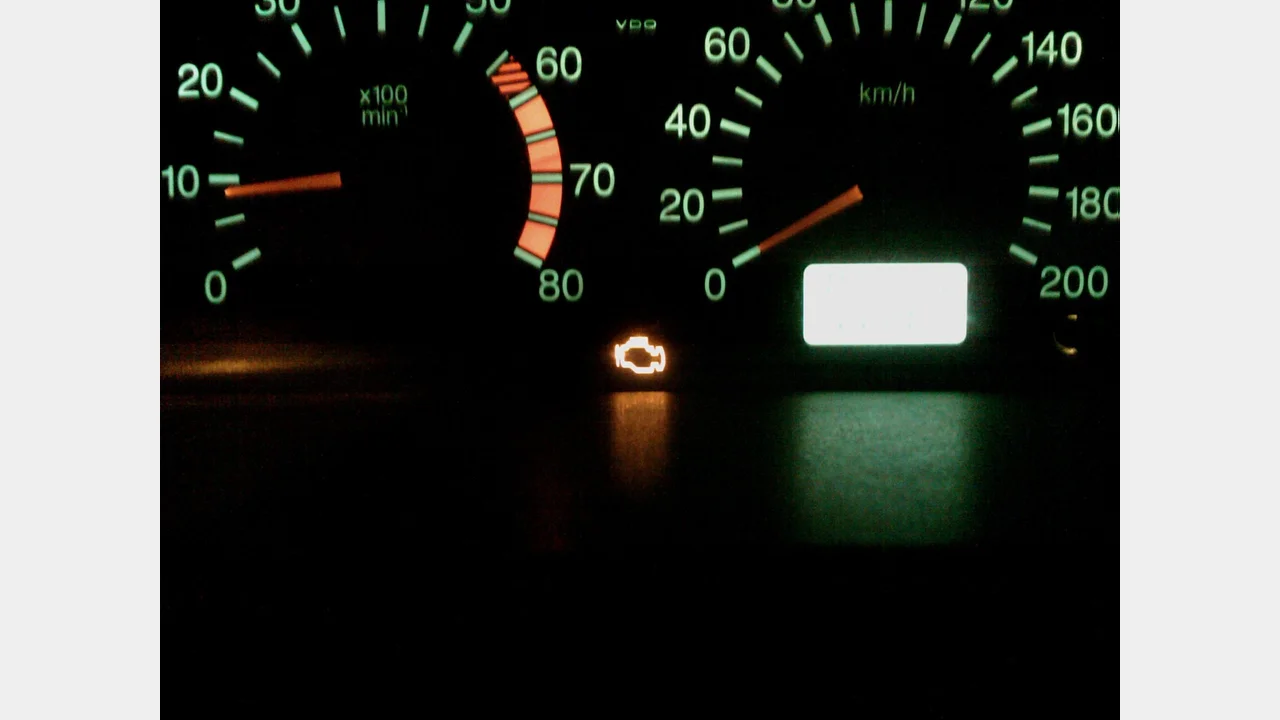
A check engine light that remains illuminated after replacing an oil pressure sensor often feels like a failed repair, but the new part is only one piece of the diagnostic picture. The stored fault code pointed toward a circuit, signal, or condition rather than automatically condemning the sensor itself. Wiring, connector fit, oil level, and separate engine-management faults can produce the same warning. Understanding why the light persists requires interpreting the code as evidence, clearing stored faults correctly, and confirming the actual operating condition of the lubrication system before assuming the replacement was defective or unnecessary.
Essential answer
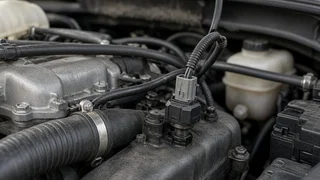
A check engine light after replacing an oil pressure sensor usually means the powertrain control module has not yet received a plausible signal, the diagnostic trouble code was not cleared, or another fault is active. The sensor reports oil pressure as a voltage or variable resistance value. If the circuit is open, shorted, or still registering a value outside the expected range, the module keeps the warning illuminated even when a new component is installed.
The oil pressure switch or sensor can also be confused with a separate engine oil level condition. Low fill quantity, an incorrect lubricant specification, or a failed level check can trigger protection logic that remains independent of the sensor circuit. A proper next step is to read live data, verify the connector and harness, and compare the reported pressure signal with the engine's actual operating behavior before replacing more parts.
History and development
Oil pressure monitoring evolved from simple warning switches that closed a circuit at a fixed threshold to analog sensors that report continuous pressure values. Early systems illuminated a warning lamp for low pressure, while modern engine-management systems integrate the sensor signal with fuel delivery, variable valve timing, and lubrication strategies. This integration means a fault code can be set for signal plausibility, circuit performance, or an out-of-range reading rather than only a mechanical pressure loss.
As engine controls became more centralized, a single check engine light began covering a wider network of monitored conditions. The oil pressure sensor signal now shares diagnostic priority with emissions, misfire, and actuator faults. Changes in sensor technology, connector design, and module calibration also made manufacturer-specific confirmation more important, because two vehicles can use the same generic code yet have different trigger conditions, wiring layouts, and reset procedures.