Caterpillar transmission and drivetrain oil SDS
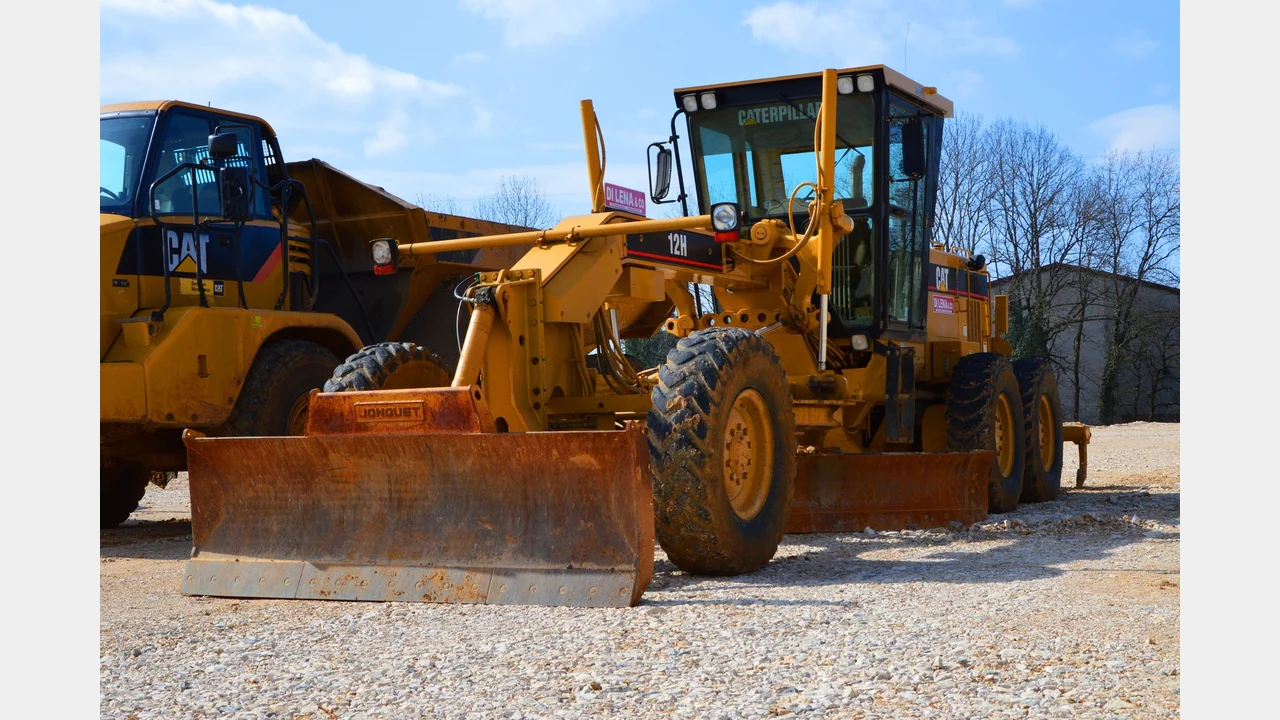
A Caterpillar transmission and drivetrain oil SDS is the safety data sheet for lubricants used in Cat power-shift transmissions, final drives, differentials, and wet-brake compartments. The document identifies the chemical mixture, hazard communication details, handling precautions, storage limits, and accidental-release measures rather than listing service intervals or fill quantities. Because the term can refer to several Caterpillar transmission/drive train oil formulations and regional packages, the SDS must match the exact product code and revision in hand. It supports safe shop use and disposal, but it does not by itself prove that a lubricant is approved for a particular serial-numbered machine configuration.
Essential answer
The essential answer is that this request points to hazard and product-identity information for a lubricant, not a mechanical troubleshooting guide. An SDS typically covers the blended base stocks, additives, viscosity behavior, flash point, personal protective equipment, spill containment, and any regulatory classifications. When someone searches for a Cat transmission and drivetrain oil SDS, the useful next step is to identify the exact container label, part number, and revision date, because a generic sheet cannot safely stand in for a machine-specific lubricant recommendation.
For ownership and maintenance decisions, the SDS complements the operation and maintenance manual rather than replacing it. A lubricant specification may call for a particular Caterpillar transmission/drive train oil category in a powershift gearbox, while the SDS explains why that product requires nitrile gloves, ventilation, or a specific cleanup material. The sheet also helps a technician compare an older drum with a current formulation. Manufacturer approval depends on the machine application and serial number break, while the SDS provides the chemical documentation needed for workplace compliance and waste handling.