Cars With the Lowest Depreciation: What Holds Value and What to Check Before You Buy
The short answer
In the US market, the cars with the lowest depreciation are usually pickup trucks, body-on-frame SUVs built for off-road use, and models from brands with a long record of reliability. Toyota and Honda are the names most often linked to strong resale value. Certain enthusiast sports cars also hold value well. Depreciation is the gap between what you pay and what the vehicle is worth when you sell or trade it in. For most owners it is one of the largest ownership costs, so choosing a model that holds value can matter as much as the purchase price.
Several conditions change this answer. Resale value is tied to a specific model year, trim level, powertrain and region, not just a model name. Market conditions also shift. Supply shortages, new-model launches and changes in fuel prices or incentives can make a normally strong model weaker for a period, or the reverse. A car that depreciates slowly in general can still lose value quickly if it has high mileage, a poor vehicle history or a less popular configuration. Treat the patterns below as a starting point, and check current resale data for the exact version you are considering.
Vehicle types that tend to hold value
Pickup trucks: Mid-size and full-size trucks stay in steady demand from both private buyers and businesses. Popular cab and bed configurations and four-wheel drive usually help resale. Body-on-frame and off-road SUVs: Rugged SUVs with a loyal following, a long production run and an active aftermarket often keep their value well. Reliable compact and mid-size cars and crossovers: Models known for low repair costs and long service life attract used buyers who care about dependability. That demand supports prices. Enthusiast sports cars: Some performance models hold value because supply is limited and buyers seek particular generations, manual transmissions or special editions. This depends heavily on the specific variant. Hybrids from established brands: Proven hybrid systems can hold value well, especially when fuel prices are high. Battery health and warranty coverage matter to used buyers.
Models frequently associated with strong resale value
Some models appear repeatedly in discussions of low depreciation. Examples include the Toyota Tacoma, Toyota Tundra, Toyota 4Runner, Jeep Wrangler, Ford Bronco, Honda Civic, Honda CR-V, Toyota RAV4, Subaru models such as the Crosstrek, and the Porsche 911. Their reputation comes from durable demand, perceived reliability and, for some, a strong enthusiast following.
A model name alone does not guarantee low depreciation. A redesign can change reliability perceptions, a new generation can pull value away from the outgoing one, and a base trim may behave differently from a high-demand off-road or hybrid version. Before deciding, compare current values for the model year and trim you want against comparable vehicles in your area.
Vehicles that usually depreciate faster
Luxury sedans and large luxury SUVs: High purchase prices, expensive out-of-warranty repairs and frequent model updates tend to push used values down quickly. Models sold in large numbers to rental and fleet buyers: A steady supply of similar used cars can hold down resale prices. Electric vehicles in a fast-changing segment: Rapid gains in range and charging, manufacturer price cuts and changing incentives can lower used values. Battery condition also adds uncertainty for buyers. Results vary widely by brand and model. Discontinued models or brands with weak dealer networks: Concerns about parts and service can reduce buyer interest. Heavily modified vehicles: Aftermarket changes often narrow the pool of interested buyers, apart from some well-known off-road setups.
How trim level, options and powertrain affect resale
Two examples of the same model can depreciate at very different rates. Trim level matters because buyers pay more for the versions they actually want. Examples include a well-equipped mid-level trim or a sought-after off-road package. Expensive top trims often lose more of their original price in dollar terms, because the added features are worth less to used buyers than they cost new.
Drivetrain: All-wheel or four-wheel drive usually helps resale in snowy regions and for trucks and SUVs. It matters less in warm climates. Transmission: A manual can add value on some sports cars and enthusiast models but may reduce interest in mainstream cars. Engine and powertrain: Engines with a good reliability record are favored. Hybrid versions can command a premium when fuel costs are a concern. Color and options: Widely popular colors and practical options are easier to sell. Unusual combinations may take longer to find a buyer. Body style and configuration: For trucks, cab size and bed length affect demand. For SUVs, seating capacity can matter to family buyers.
What to check before buying a low-depreciation car
Strong resale value only helps you if the specific vehicle you buy keeps that value. The checks below protect both your purchase and your future sale or trade-in.
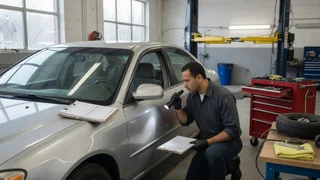
Vehicle history: Get a history report and look for accidents, title problems such as salvage or flood branding, odometer inconsistencies and the number of previous owners. A clean history is one of the biggest factors in resale value. Mileage: Compare the odometer reading to the vehicle's age. High mileage reduces value even on models that hold value well. Unusually low mileage is worth verifying. Condition: Check the body, interior, tires and signs of rust, especially on trucks and SUVs used off-road or in regions that salt their roads. Maintenance records: Documented service history supports a higher resale price and points to fewer hidden problems. Pre-purchase inspection: Have an independent mechanic inspect the vehicle before you commit. This matters most for used trucks, off-road SUVs and performance cars, which may have been driven hard. Comparable vehicles: Compare the asking price with similar listings of the same model year, trim, mileage and region. Strong resale value also means you will pay more up front, so make sure you are not overpaying. Open recalls and warranty status: Confirm that recalls have been addressed and check whether any factory or certified pre-owned coverage remains.
Low depreciation versus total ownership costs
Slow depreciation is valuable, but it is only one part of what a car costs to own. Models known for holding value often carry higher used prices, so the savings show up when you sell rather than when you buy. A truck or off-road SUV may hold value well yet cost more in fuel, tires and insurance than a compact car. Before deciding, weigh expected resale value together with fuel or energy use, insurance, maintenance, repairs, registration and financing.
Factor | Why it matters; Purchase price | Low-depreciation models usually cost more used, which reduces the upfront saving. Resale or trade-in value | A higher share of your money comes back when you sell. Fuel or energy costs | Larger trucks and SUVs often cost more to run than smaller cars. Insurance | Premiums vary by model, trim and theft risk. Maintenance and repairs | Reliable models usually keep these costs predictable. How long you keep it | The longer you own a car, the less depreciation affects the total cost.
How long you plan to keep the vehicle changes the calculation. Depreciation is usually steepest in the first few years. Buying a lightly used car from a model with good resale value can let the first owner absorb that early drop. If you plan to keep a car for many years, reliability and running costs may matter more than resale value.
Choosing your next step
Start by narrowing your list to the vehicle types that fit your needs, such as a truck, SUV, compact car or hybrid. Within that group, favor models with a reputation for reliability and steady used demand. Then compare current values for the exact model year, trim and powertrain against comparable vehicles nearby. Once you have a specific car in mind, check its vehicle history, mileage and condition and arrange an independent inspection before you buy. That approach gives you the best chance of choosing a car that is both suitable now and worth more when you move on.