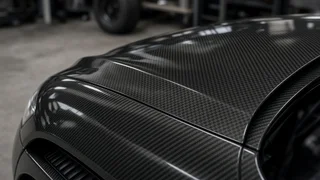
Carbon fiber skinning car parts
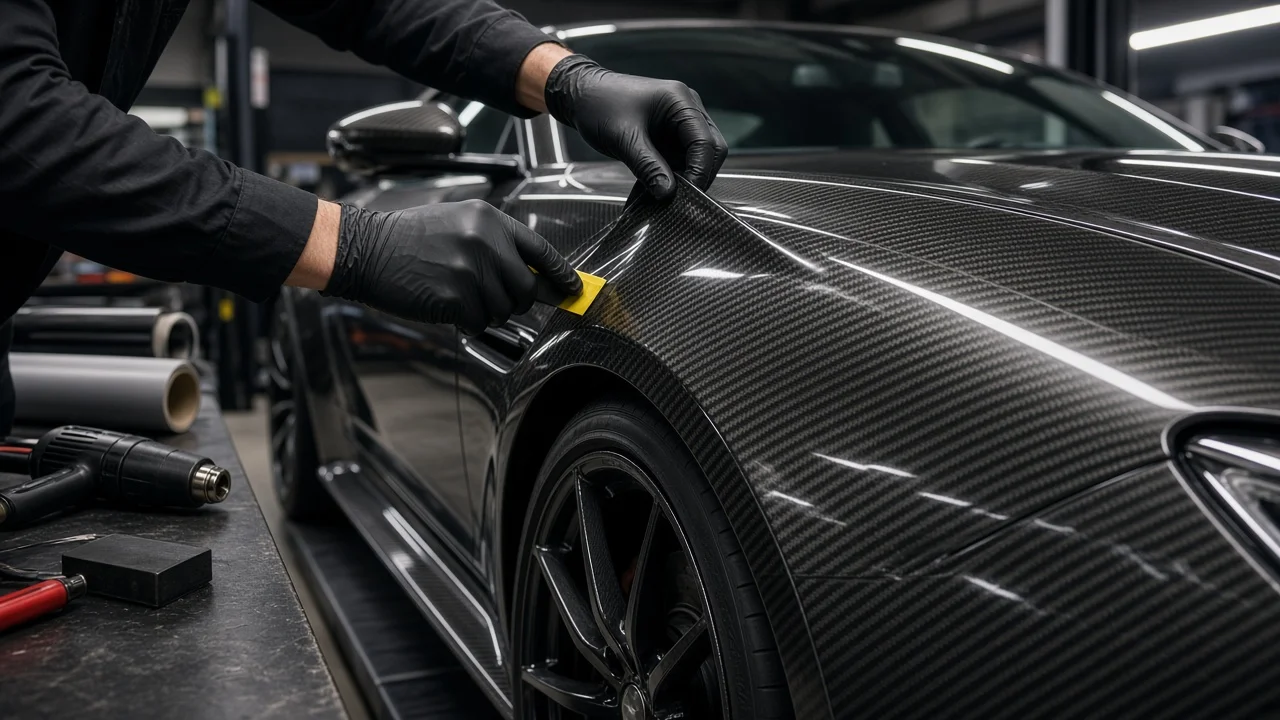
Carbon fiber skinning car parts describes a cosmetic process that bonds a woven carbon cloth over an existing panel rather than replacing it with a molded carbon component. The technique can refresh interior trim, mirror caps, spoilers, and other body pieces that would otherwise be costly to replicate. Readers considering this method generally want to know whether the result looks authentic, how it behaves with heat and solvent exposure, and how it compares with true replacement parts. The process changes surface appearance and thickness, so understanding the difference between a wrapped appearance and a structural carbon layup is central to deciding if the approach suits a particular automotive project.
Essential answer
Carbon fiber skinning joins a real carbon weave to the visible face of an existing automotive panel using a clear resin system. The original part remains underneath and continues to provide the mounting structure, shape, and rigidity. This distinguishes skinning from a dry carbon replacement, where the entire component is formed from carbon plies and cured in a mold. Skinning is primarily a finishing method: it changes texture and visual depth, but it does not turn a steel, aluminum, or plastic substrate into a lightweight structural composite.
The approach matters most where component geometry, attachment points, and panel clearance are difficult to recreate with a replacement part. A skinned factory trim piece keeps its original clips and fitment, because only the outside receives additional material. That can reduce fitment problems around edges and fasteners. However, the added cloth and resin slightly increase thickness, so parts with tight gaps, snap-fit attachments, or moving interfaces may need careful buildup control. Surface preparation and finish compatibility with the substrate strongly affect whether the resin adheres cleanly over time.