Car Wheel Offset: Understanding ET
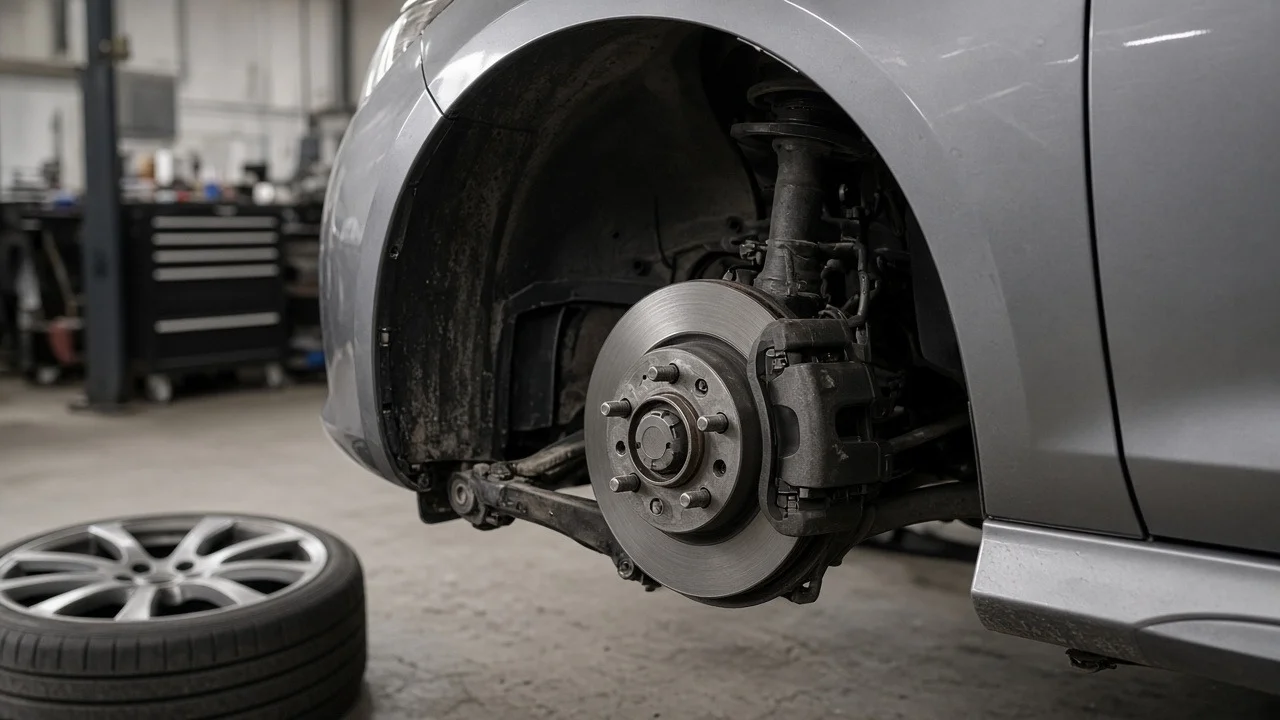
If you have seen a stamp like ET45 on the back of a wheel or in a listing, it tells you the wheel's offset. Offset is the distance in millimeters between the wheel's mounting face, where it bolts to the hub, and the centerline of the rim. ET comes from the German term Einpresstiefe, roughly "insertion depth," and is the standard way many wheel makers mark offset. Offset alone does not decide whether a wheel fits your car. Rim width, rim diameter, bolt pattern, center bore and tire size all matter too, and offset only makes sense when read alongside width.
What ET Measures
Picture a vertical line through the middle of the rim's width. That is the centerline. The mounting face is the flat surface on the back of the wheel's center section that sits against the hub. ET is the distance from the centerline to that mounting face. The number tells you how far the wheel sits inward or outward relative to the hub.
Offset type | Where the mounting face sits | Effect on wheel position; Positive ET (e.g., ET35) | Outboard of the centerline, toward the face of the wheel | Wheel sits farther inward, tucked under the fender; Zero ET (ET0) | Exactly on the centerline | Rim width is split evenly inside and outside the hub face; Negative ET (e.g., ET-12) | Inboard of the centerline, toward the back of the wheel | Wheel sits farther outward, pushing the tire toward or past the fender
Most modern front-wheel-drive and many all-wheel-drive passenger cars use positive offset wheels from the factory, because the hub sits close to the outer edge of the wheel well. Zero and negative offsets are more common on some trucks, off-road builds and aftermarket wheels chosen for a wider stance. The correct range depends on the specific vehicle, so check the figure for your model, generation and trim rather than relying on a general category.
How to Read Wheel Markings
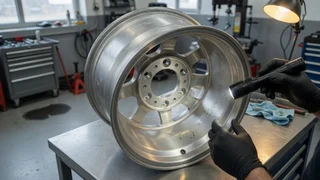
Wheel specifications are usually stamped or cast on the back of the spokes, inside the barrel, or on the hub mounting area. A typical marking combines several values:
8J x 18 ET45 5x112 CB 66.6; 8 = rim width in inches (bead seat to bead seat); J = rim flange profile; 18 = rim diameter in inches; ET45 = offset of +45 mm; 5x112 = bolt pattern: 5 lugs on a 112 mm circle; CB66.6 = center bore diameter in mm
The values in this example are only for illustration and do not describe any particular car. Some wheels state offset as "OFFSET 45" or "+45" instead of ET, which means the same thing. A negative value is shown with a minus sign, such as ET-20.
Why Offset Must Be Read Together With Rim Width
Offset is measured from the centerline, and the centerline moves when the rim gets wider. So two wheels with the same ET but different widths will not sit in the same place. A wider rim extends equally inward and outward from its centerline. Offset then shifts that whole width one way or the other.
A useful way to compare a current wheel with a candidate is to calculate where the inner and outer rim edges land relative to the hub face:
Inner edge distance (toward suspension) = (rim width / 2) + ET; Outer edge distance (toward fender) = (rim width / 2) - ET; Convert rim width to mm first: inches x 25.4
Hypothetical example: you are moving from a 7.5-inch wheel at ET45 to an 8.5-inch wheel at ET40. The width grows by 25.4 mm, or 12.7 mm on each side. The offset drops by 5 mm, which shifts the wheel 5 mm outward. The result is that the inner edge moves about 7.7 mm closer to the suspension (12.7 minus 5), and the outer edge moves about 17.7 mm closer to the fender (12.7 plus 5). These figures describe the rim only. The tire's sidewall bulge and tread width change the real clearance, so tire size has to be considered as well.
Offset vs. Backspacing
Backspacing is a related measurement often used in the US, especially for trucks and off-road wheels. It is the distance from the mounting face to the inner edge of the rim, usually given in inches. Offset is referenced to the centerline. Backspacing is referenced to the back lip. Backspacing includes the rim flange, so it is based on the wheel's actual overall width, which is a little more than the nominal rim width. The two are related: for a given wheel, more backspacing corresponds to higher positive offset. They are not interchangeable numbers, so when you compare wheels, make sure both listings use the same measurement.
What Changing Offset Does
Clearance
Higher positive offset pulls the wheel inward. That reduces room near struts, control arms, brake calipers and the inner wheel well liner. Lower or negative offset pushes the wheel outward, toward the fender lip. That can cause rubbing over bumps, at full steering lock, or when the suspension compresses under load. Brake caliper clearance also depends on the shape of the wheel's spokes and barrel, not just ET, so a wheel can have a suitable offset and still hit a large caliper.
Handling and Steering Feel
Moving the wheel in or out changes the scrub radius. Scrub radius is the distance at the road surface between the steering axis and the center of the tire's contact patch. Suspension engineers choose this value deliberately. Moving far from the factory offset can change steering feel, increase sensitivity to bumps and braking forces, and make the car pull more noticeably on uneven surfaces. How much this matters depends on the vehicle and the size of the change.
Load on Bearings and Suspension
Pushing the wheel outward increases leverage on wheel bearings, hubs and suspension parts. Large deviations from the factory offset may speed up wear on these components. This is one reason many owners stay close to the original specification even when a more aggressive stance would physically fit.
Appearance
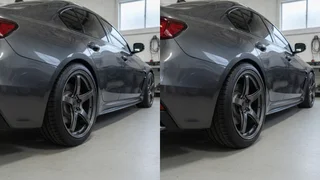
Lower offset makes a wheel sit flush with or outside the fender, which some owners prefer for looks. Higher offset makes the wheel look more recessed. Offset also affects how deep the wheel face appears. Lower-offset designs often show more visible lip or a more concave face, though this varies by wheel design.
Other Specifications That Must Match
Bolt pattern: the number of lug holes and the diameter of the circle they sit on must match the hub exactly. A correct offset cannot make up for a wrong bolt pattern. Center bore: the wheel's center hole should match the hub diameter for hub-centric mounting. A larger bore can be adapted with hub-centric rings. A smaller bore will not fit. Rim diameter: this must suit the tire size you plan to use and must clear the brakes. Rim width: this must fall within the width range the tire manufacturer approves for that tire size, or the tire may not seat or perform as designed. Lug hardware: seat type (conical, ball or flat) must match the wheel, and thread engagement must be adequate. Load rating: the wheel's rated load should meet or exceed what the vehicle requires.
Tire Compatibility and Overall Fitment
Offset positions the rim, but the tire is what usually makes contact with the bodywork or suspension. A wider tire, a taller sidewall, or a tire with a squarer shoulder can rub even when the wheel offset is close to stock. When you change wheel width and offset together, consider the tire size you will actually mount. A tire stretched on a rim narrower or wider than its approved range can also change the effective width and sidewall shape.
Wheel Spacers and Offset
A wheel spacer sits between the hub and the wheel and lowers the effective offset by its thickness. For example, a 10 mm spacer on an ET45 wheel puts the wheel where an ET35 wheel would sit. Spacers are sometimes used to clear brake calipers or to fine-tune stance. They add another interface to the wheel mounting and can affect lug engagement. Hub-centric designs and correct hardware matter. The same effects on clearance, scrub radius and bearing load apply as with a lower-offset wheel.
How to Find the Right Offset for Your Car
Check the markings on your current wheels, if they are the factory originals, to see the existing width, diameter and ET. Look up the factory wheel specification for your exact model year, generation and trim. Offsets can differ between trims, wheel sizes and front and rear axles on the same model. If you are changing width, use the inner and outer edge calculation to compare positions instead of matching ET alone. Consider brake caliper size, suspension modifications and ride height, all of which change available clearance. Use a fitment guide or ask a wheel and tire retailer to confirm the combination for your specific vehicle before buying. After installation, check clearance at full steering lock and with the suspension compressed, and listen for rubbing on the first drives.
A Note on Legal and Inspection Rules
In the US, rules about tires extending past the fender, mud flap or fender coverage requirements, and vehicle inspections vary by state. If you plan a noticeably lower or negative offset that pushes the tires outward, check your state's requirements first. Large fitment changes can also matter for insurance or warranty discussions, depending on your situation.
Key Takeaways
ET is wheel offset in millimeters: the distance from the rim centerline to the hub mounting face. Higher positive ET moves the wheel inward. Lower or negative ET moves it outward. Always evaluate offset together with rim width, because width shifts both rim edges. Offset affects clearance, steering feel and component load, not just appearance. Bolt pattern, center bore, diameter, load rating and tire size must also suit the vehicle. Starting from the factory specification for your exact vehicle is the most reliable basis for any change.