Car trunk organizers: comparing X Cosrack, Yogi Prime, YSSOA and ZRPIOT models
Choosing a trunk organizer often comes down to how the product fits your particular vehicle and daily cargo habits. The X Cosrack, Yogi Prime, YSSOA and ZRPIOT designs share the same basic goal of reducing clutter, but their layouts, anchoring methods and storage emphasis differ. Matching those details to your body style, trim level and typical load makes the difference between a useful accessory and one that slides or collapses. This comparison focuses on practical cargo control and everyday usability rather than isolated specifications.
Direct answer
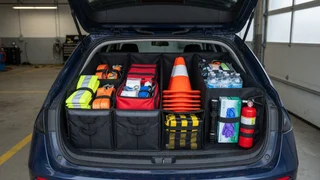
For most drivers who need a rigid, compartmentalized solution in an SUV or crossover, an X Cosrack car trunk organizer offers a straightforward balance of structure and capacity. Its box-like design works well when groceries, tools or emergency supplies need to stay separated during turns. The benefit is most apparent in open cargo areas where a collapsible unit can be braced against seatbacks or side panels.
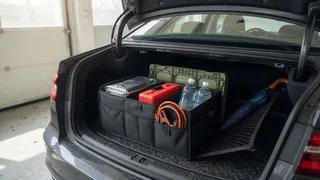
The Yogi Prime trunk and backseat car organizer suits owners who regularly carry both passengers and loose items. Its shape allows it to sit on a rear bench or the floor, which helps in sedans and smaller crossovers. A YSSOA car trunk organizer often functions best for lighter household loads, while a ZRPIOT car trunk organizer appeals when adjustable dividers and compact storage are the priority.
Differences and suitability
The main structural difference is between rigid, semi-rigid and soft-sided layouts. A rigid frame keeps bags upright and protects eggs or bottles, but it consumes consistent floor space even when empty. A softer design with fold-flat panels is easier to tuck beside a spare wheel or under a cargo cover, yet it provides less side support for tall containers during hard cornering.
Consider the trunk depth and whether you need access to underfloor storage. A large organizer can block a spare tire well or a power liftgate sensor area if it shifts. Also check how the base attaches: non-slip feet, adjustable straps or hook-and-loop strips behave differently on carpet, rubber mats and plastic liners. Choose straps for heavy loads, while non-slip bases are enough for light, frequent errands.