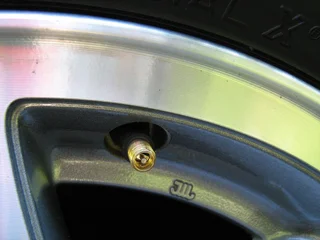
Car tire valve stem types: snap-in, clamp-in, brass, angled
A tire valve stem is the small but critical port that lets air enter a wheel and keeps it sealed under pressure. Drivers commonly encounter snap-in, clamp-in, brass, and angled designs when replacing sensors, wheels, or leaking hardware. The right choice depends on wheel material, sensor mounting, clearance, and service conditions. Understanding the anatomy of a tire valve stem helps explain why one style holds up better on a particular vehicle and why a slow leak is often traced to this modest component.
Essential answer
The main valve stem styles are snap-in rubber units, clamp-in metal assemblies, and angled versions that position the fill port for easier access. Snap-in stems pull through the rim hole and rely on a molded rubber body to seal. Clamp-in stems, sometimes searched as bolt on tire valve stem hardware, use a threaded metal body, nut, and gasket. Either type may be brass or use brass internals, while angled stems solve clearance problems on dual wheels, tight spokes, or recessed valve locations.
An auto tire valve stem must match the wheel hole diameter, seat profile, and whether a tire pressure monitoring sensor attaches to it. A brass tire valve stem resists corrosion and can provide a stable base for a sensor, but material alone does not guarantee fit. An angled tire valve stem changes fill angle without changing the sealing principle. The correct selection balances rim design, sensor load, exposure to road salt, and access for inflation pressure checks.