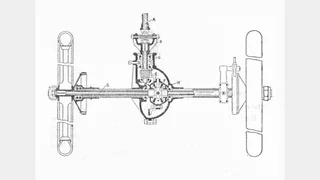
Car Differential Gear Ratio and Calculator
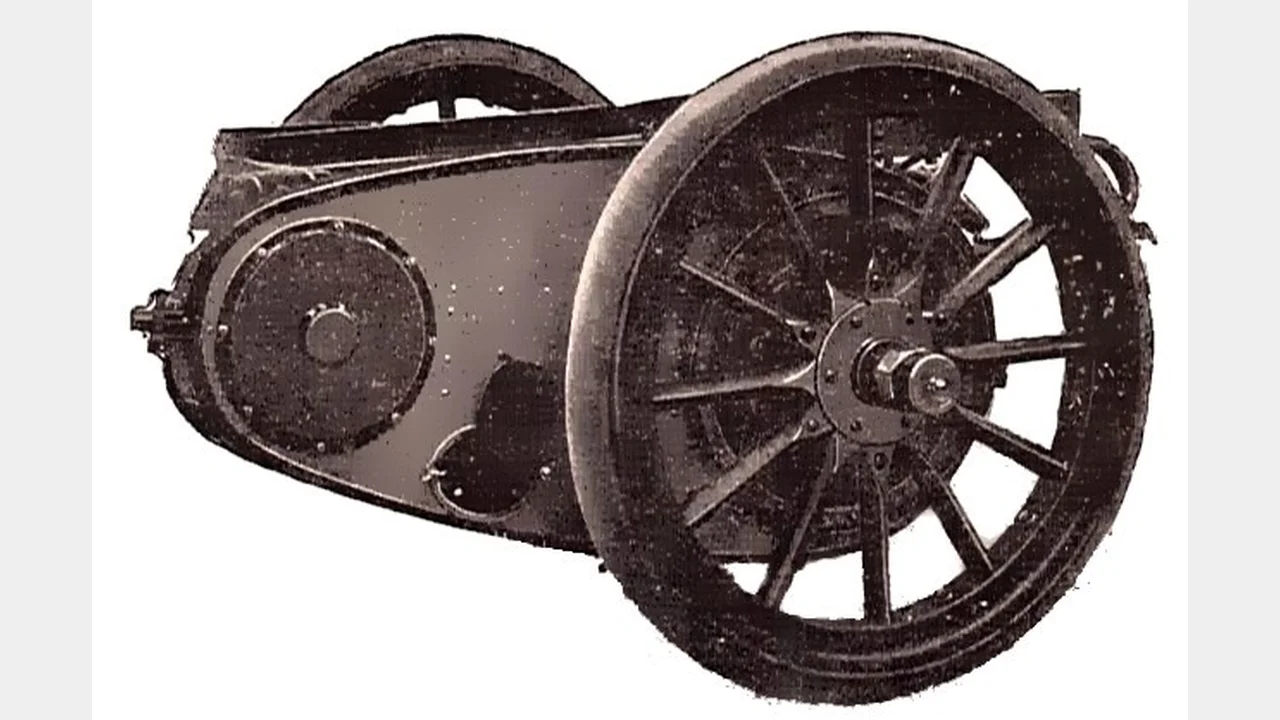
A differential must split engine torque between the drive wheels while still letting them rotate at different speeds in a corner. The gear ratio inside that assembly determines how many times the driveshaft turns for each revolution of the wheel, shaping acceleration, cruising rpm, and fuel use. A car differential calculator helps owners compare existing gearing against replacement options before changing axles, tires, or transmission type. Using measured DataForSEO interest for “car differential calculator” and “car differential ratio,” this guide explains why the calculation matters and what it clarifies during fitment or repair decisions.
Essential answer
A car differential calculator estimates the final drive ratio by comparing input turns from the driveshaft to output turns at the axle, or by using ring and pinion tooth counts. The result is commonly expressed as a single number such as 3.73:1, meaning the pinion rotates 3.73 times for one full wheel revolution. This figure directly affects how quickly a vehicle accelerates from a stop and how high the engine revs at highway speed. A numerically higher ratio generally delivers stronger low-speed response but increases cruising rpm, which can raise fuel consumption and cabin noise.
The calculation also supports comparisons when tire diameter, transmission type, or axle assembly changes. A taller tire effectively reduces the final drive ratio, dulling acceleration, while a shorter tire has the opposite effect. Because gear ratio interacts with shift behavior and service history, a calculator is most useful as a screening step rather than a standalone diagnosis. It narrows plausible gearing choices and helps an owner decide whether a replacement differential matches the intended driving style before committing to installation or further diagnostic work.