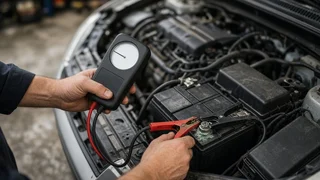
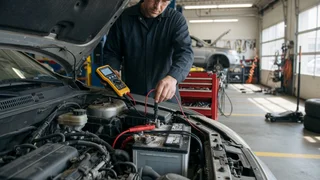
Car battery tester nearby
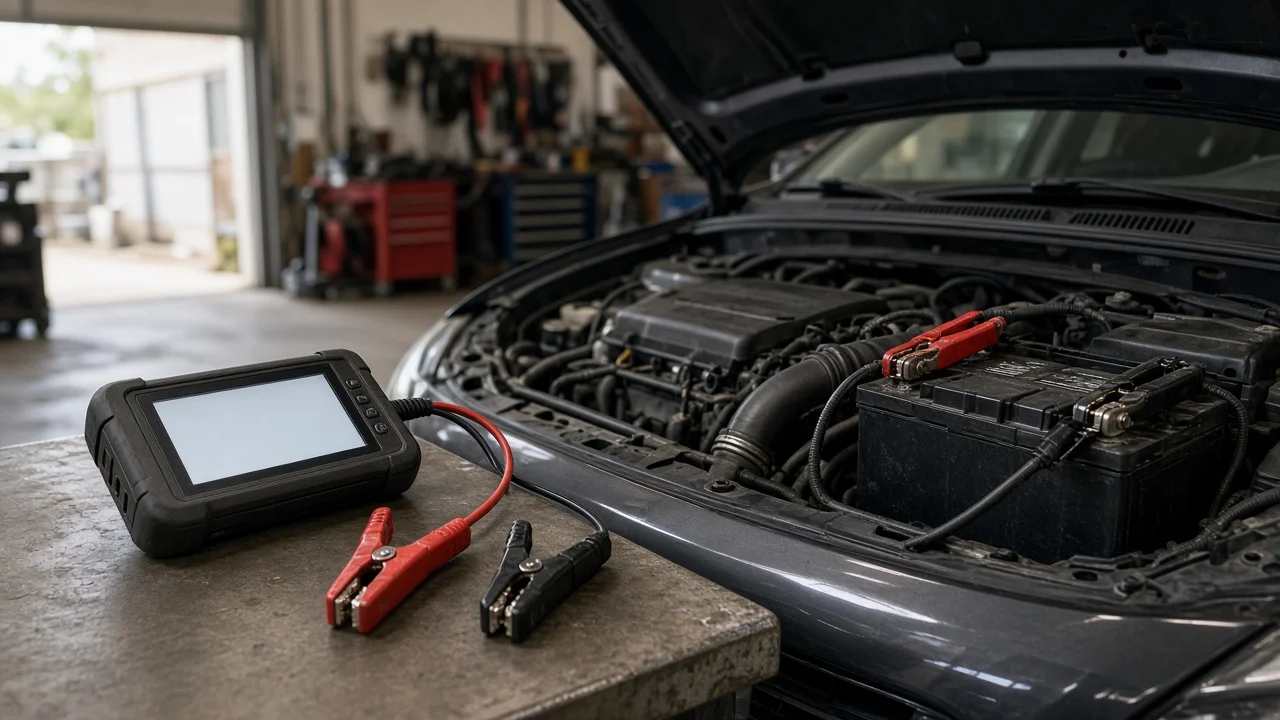
Looking for a battery tester car nearby usually means the vehicle is showing slow cranking, dim lights, or a no-start condition and the battery has become the first suspect. A nearby tester can be found through parts stores, mobile tool vendors, or service shops that offer quick electrical checks. These tools read system voltage at the battery terminals and help separate a weak battery from a charging output or connection problem. Because a failing battery often behaves differently under load than at rest, a useful test needs more than a simple voltage glance. Understanding what the tester can and cannot show makes the stop worthwhile and helps avoid replacing parts on guesswork.
Essential answer
The essential answer is that a car battery tester nearby is a local way to evaluate battery condition, normally found at auto parts counters, repair facilities, or through mobile battery services. The tool measures voltage at the battery terminals and often applies a controlled load to see how well the unit holds a charge. That load test is important because a battery may read near full system voltage while sitting but collapse when the starter demands current. A nearby option is useful for a quick check, especially before buying a replacement or condemning an alternator.
A useful nearby test should look beyond the unloaded reading and consider the entire electrical path. A low result can reflect corrosion at the battery terminals, a weak ground, or excessive resistance in a cable, not just an internally failed cell. A voltage drop between the terminal and the cable end can hide inside the connection and cause the tester to record a misleading value. Likewise, a charging output check can show whether the alternator is maintaining system voltage after the engine starts. The tester gives evidence, but the reading must be matched to the vehicle symptoms.
Some testers also estimate remaining capacity or condition through conductance and provide a printout that stores can use to process a warranty claim. That does not make the result infallible, because a parasitic draw or an intermittent connection can still drain a serviceable battery. When a tester is close by and free or inexpensive, it is a reasonable first diagnostic step. The key is to use it as one part of an electrical inspection rather than as a final verdict. The nearest useful stop is the one that tests the battery under load and inspects the connections at the same time.