Car audio amplifier 1000W
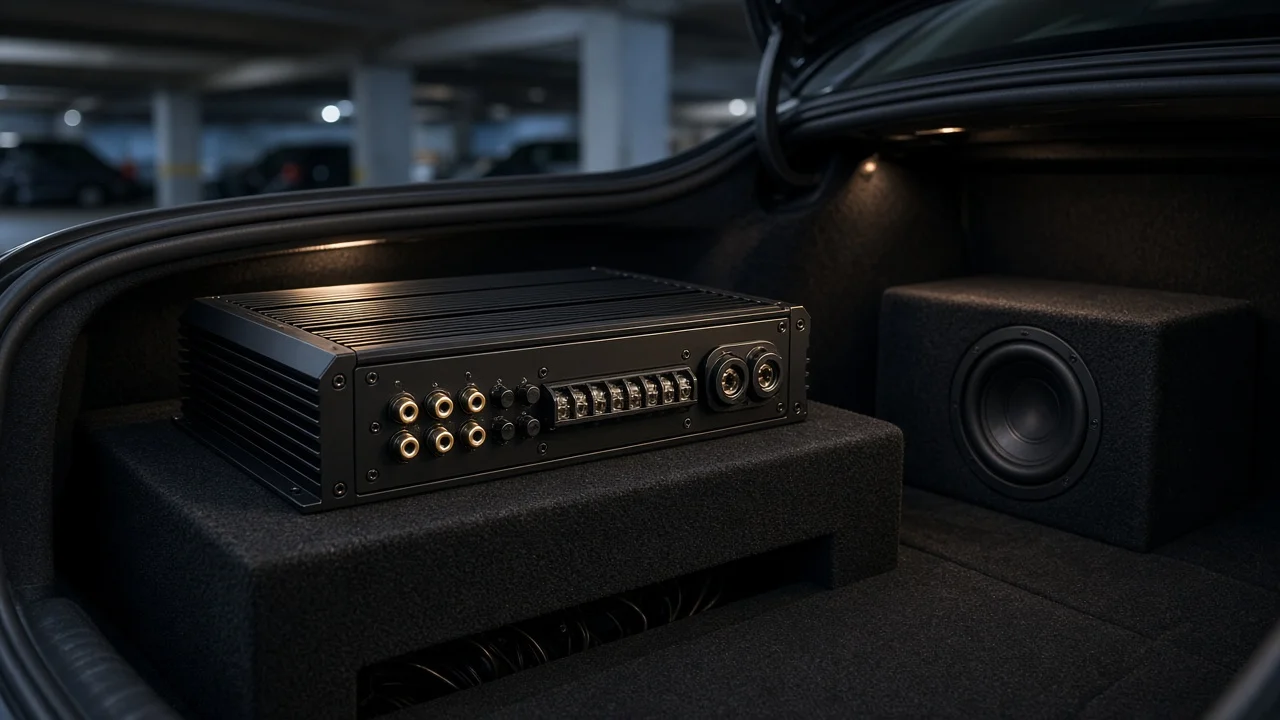
A 1000-watt car audio amplifier can reshape how a vehicle sounds, but the number alone does not guarantee the clean power you expect. The rating tells you how much output the board may deliver under a given supply voltage and load, while the real-world result depends on the audio source, installation quality, and vehicle integration. Many shoppers see “1000W” as a simple upgrade promise and overlook the electrical, thermal, and wiring factors that determine whether the amplifier actually performs with authority or falls into clipping and protection shutdown.
The direct answer
A practical answer is that a 1000-watt amplifier can be a strong upgrade when the rest of the system supports that output, but the advertised figure is conditional. Power should be compared using RMS ratings at a stated impedance, such as 2 or 4 ohms, rather than peak or maximum labels. If the head unit produces a clean signal and the speaker wiring is sized correctly, the amplifier has a realistic chance to raise volume and control without immediate distortion.
The second condition is electrical reserve. Producing roughly 1000 watts of audio output draws considerably more than that from the charging system because an amplifier is not perfectly efficient. Factory electrical systems may sag under sustained bass, causing the rail voltage to drop and the amplifier to clip earlier. Checking the fuse rating, recommended cable gauge, and alternator capacity gives a better sense of whether the vehicle can feed the demand during real listening.