Exporting a Car From Canada to the US: What Approval Actually Requires
The short answer
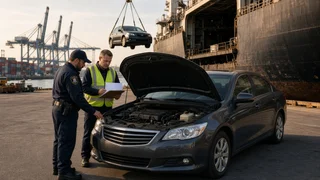
A car can be moved from Canada into the United States, but crossing the border is not the main hurdle. The vehicle must be eligible under US safety and emissions rules, it must be formally entered through US Customs and Border Protection (CBP), and it should be properly reported for export on the Canadian side. Being sold new in Canada does not automatically make a vehicle legal to import into the US, even though Canadian and US standards are closely aligned.
Scope of this guide: it covers an individual or business bringing a specific vehicle from Canada into the US for use or registration there. It does not cover national trade statistics on Canadian auto exports, temporary visits by Canadian residents driving their own cars, or commercial manufacturing supply chains. No verified figures for fees, current duty rates, processing times or contacts were available for this article, so those points are flagged where they matter.
Why a Canadian car is not automatically US-legal
Canadian vehicles are certified to Canada Motor Vehicle Safety Standards (CMVSS), while US vehicles must meet Federal Motor Vehicle Safety Standards (FMVSS), administered by the National Highway Traffic Safety Administration (NHTSA). Emissions are separately regulated in the US by the Environmental Protection Agency (EPA). Many Canadian-market models are built to satisfy both sets of rules, but this varies by manufacturer, model, model year and sometimes trim or powertrain. Eligibility has to be confirmed for the exact vehicle, not assumed from the model name.
The usual way to confirm this is a compliance letter from the vehicle's manufacturer stating that the specific vehicle, identified by its VIN (vehicle identification number), conforms to US safety and emissions standards. Some manufacturers issue these readily; others may decline or charge for them. Whether a letter is obtainable for a given vehicle could not be confirmed from the available evidence.
Routes to US eligibility
Manufacturer-confirmed conformity: the vehicle was built to meet US standards and the manufacturer documents this, which is the most common route for recent Canadian-market cars. Age-based exemption: under US rules, sufficiently old vehicles are exempt from FMVSS (the widely cited threshold is 25 years from manufacture), and EPA has its own separate age exemption; both thresholds should be checked against current agency guidance before relying on them. Registered importer conversion: a non-conforming vehicle may be modified and certified by a NHTSA-registered importer, though not every vehicle qualifies and the cost and feasibility depend on the model. Vehicles that fit none of these routes generally cannot be imported for permanent use.
US paperwork at the border
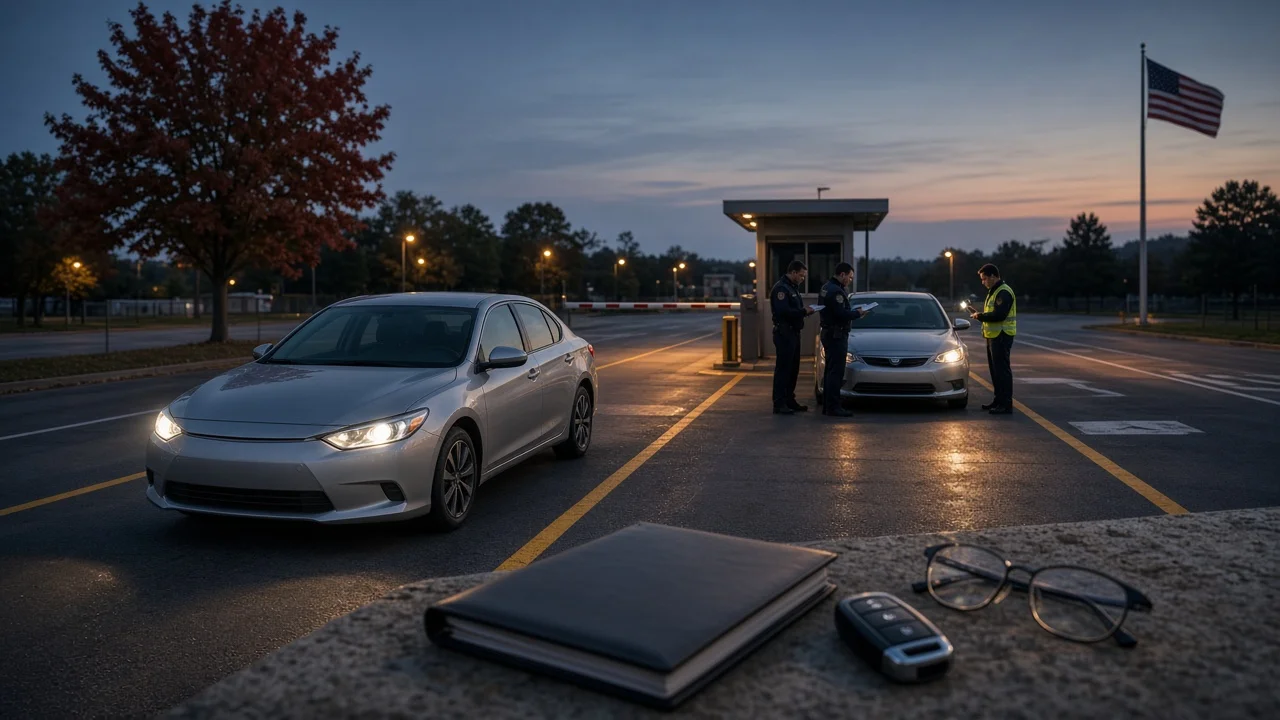
Entry is handled by CBP. The core documents typically include proof of ownership (the Canadian title or registration and bill of sale), the manufacturer's conformity letter where applicable, and the federal declaration forms below. Requirements can differ by port of entry and by whether the vehicle arrives by road or by ship, so confirming with the intended port in advance is prudent.
Form | Agency | Purpose; CBP Form 7501 (Entry Summary) | Customs and Border Protection | Formal customs entry and duty declaration; HS-7 Declaration | NHTSA (filed with CBP) | Declares the vehicle's safety-standard status or exemption; EPA Form 3520-1 | Environmental Protection Agency | Declares the vehicle's emissions status or exemption
The Canadian export side
Before the vehicle leaves Canada, the Canada Border Services Agency (CBSA) generally requires vehicles being exported to be reported in advance, with ownership documents, before they cross. The exact notice period and document list should be checked with CBSA at the time of export, as no confirmed details were available here. Skipping this step can delay the crossing or complicate later paperwork.
It is also important to confirm the vehicle is free of liens. A car still under financing or a lease in Canada usually needs the lender's written permission or a full payoff before export, and an outstanding lien can create title problems once the car reaches a US state motor vehicle office.
Duties and tariffs: a moving target
Whether duty is owed depends on the vehicle's origin under trade rules, not simply on the fact that it is coming from Canada. Under the United States-Mexico-Canada Agreement (USMCA), vehicles that qualify as originating in North America have historically been eligible for preferential treatment. However, US tariff policy on imported vehicles changed significantly in 2025, and how current measures apply to used vehicles and to individuals importing a single car may differ from earlier rules. No confirmed current rates were available for this article; checking with CBP or a licensed customs broker before purchase is the reliable way to estimate the cost.
Practical differences on Canadian-market cars
Instrument cluster: Canadian vehicles typically show kilometres as the primary unit; some states or buyers expect miles, and the odometer reading in kilometres must be accurately recorded on title documents. Daytime running lights and labeling: Canadian-market equipment and bilingual labels are usually not barriers to import but are worth knowing about. Recalls: open recalls should be checked and cleared, since some manufacturers handle Canadian-market recalls through separate systems. Warranty: factory warranty coverage may not transfer automatically across the border; this varies by manufacturer and should be confirmed directly.
After entry: state registration
Clearing federal entry does not by itself register the car. The owner must then title and register it with the relevant state motor vehicle agency, which typically asks for the stamped customs entry documents, the original ownership papers and, in many states, a VIN inspection. States with stricter emissions programs may impose additional requirements, so the destination state's rules should be checked alongside the federal ones.
Suggested order of steps
Confirm US eligibility for the exact VIN, ideally with a manufacturer conformity letter or a documented exemption. Verify clear title and resolve any lien. Estimate duties and tariffs with CBP or a customs broker. Report the export to CBSA within the required notice period. Present the vehicle and documents to CBP at the chosen port and complete the entry forms. Title and register the vehicle in the destination state.
Information gaps to resolve before committing
This overview is based on general regulatory principles rather than case-specific evidence. Current tariff rates, agency fees, processing times, port-specific procedures and the willingness of a particular manufacturer to issue a conformity letter were not confirmed. These factors can change the cost and feasibility of an import substantially, so they are best verified with CBP, NHTSA, EPA, CBSA and the destination state before buying a vehicle in Canada with the intention of bringing it into the US.