Can You Tow a Car with a CVT Transmission
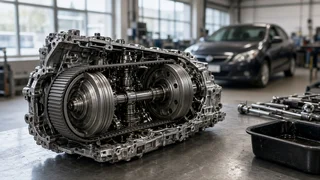
A continuously variable transmission uses a belt or chain running between variable-diameter pulleys rather than fixed gear ratios. That design is smooth and efficient for everyday driving, but flat towing raises a specific concern. Without the engine driving the transmission’s oil pump, the spinning output shaft can rotate internal parts without normal lubrication or fluid cooling. The practical answer depends on how the vehicle is being towed, the transmission type, and the manufacturer’s stated limits, not on the CVT label alone.
Essential answer
You can tow a car with a CVT transmission, but the method matters more than the transmission name. A brief, low-speed pull with all four wheels on the ground may be acceptable for moving a disabled vehicle a short distance, depending on the owner’s manual. Long-distance flat towing, sometimes called dinghy towing behind a motorhome, is generally not approved for many CVT-equipped models because the transmission can be turned without the front pump supplying fluid pressure to critical bearings and pulleys.
The safer general approach is to use a trailer or a tow dolly that keeps the drive wheels stationary. For front-wheel-drive CVT vehicles, a dolly with the front wheels off the ground and rear wheels rolling may be suitable for certain distances. A full trailer is often the most protective option because it leaves all four wheels still. Manufacturer-dependent codes and fitment details mean the towing setup and transmission type should always be confirmed against the exact vehicle’s service information before a long pull.