Can You Jack Up a Car by the Differential
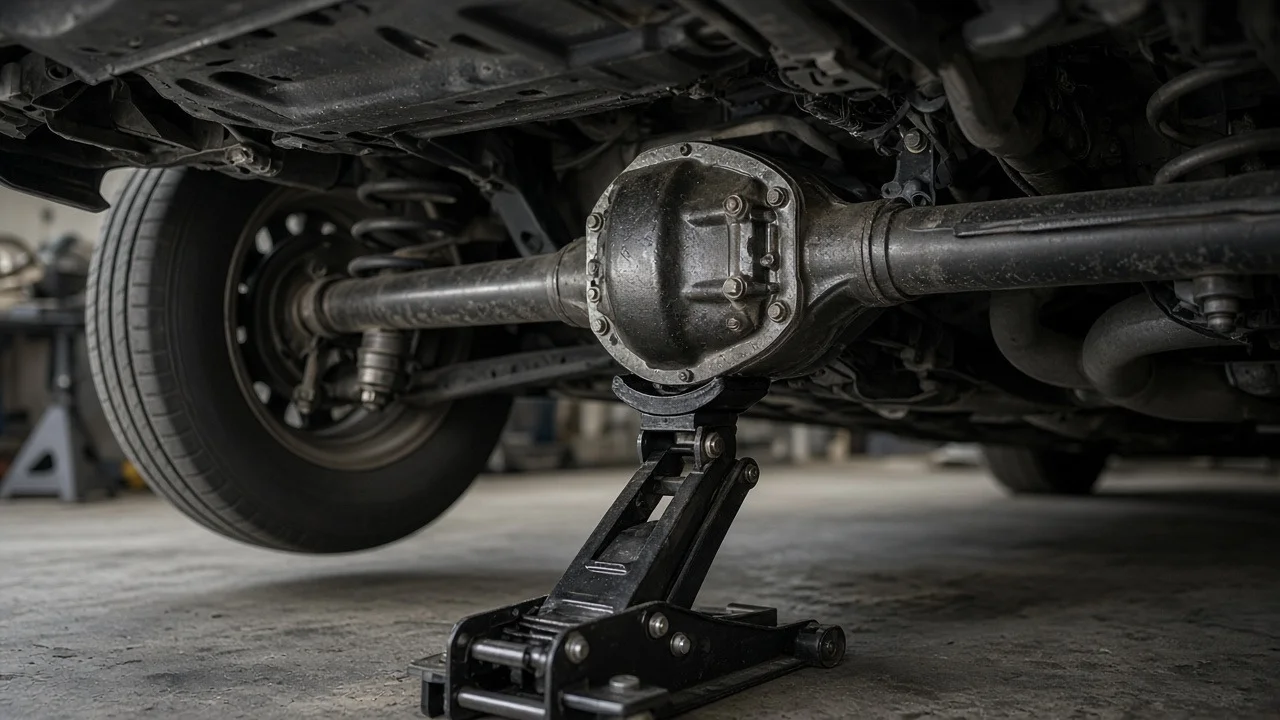
Lifting a vehicle safely depends on choosing a point that can bear the load without damaging nearby parts, and the differential housing often looks like a convenient central location. The real question is whether that casting is designed as a support point or merely a driveline component that happens to hang low. The answer changes with vehicle layout, suspension travel, and the type of lifting equipment used, so an owner must separate what looks sturdy from what the manufacturer actually approves.
Essential answer
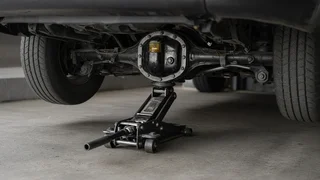
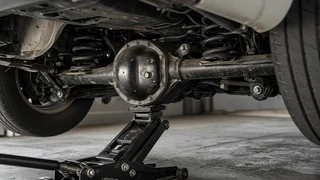
You generally should not jack up a car by the differential unless a factory manual or a stamped marking on the housing identifies it as an approved lifting location. On many passenger vehicles the center section looks solid, but it is not intended to carry the concentrated load of a floor jack saddle. The housing may be cast aluminum, sealed with thin cover bolts, or mounted through rubber bushings that distort when the full corner weight hangs from the differential. A careful owner checks the automaker’s designated lift points first because they account for chassis balance and local reinforcement.
Some trucks and performance cars do permit lifting the rear axle assembly by the center section, often when the differential is part of a beam axle and the saddle spreads load across a strong cast-iron housing. Even then the method is vehicle-specific. The difference is not universal strength; it is whether the housing was engineered as a structural support point. Without confirmed approval, placing a jack there risks cracking the cover, damaging the pinion seal area, or shifting the vehicle as the suspension droops.