Can a Car Work Without a Differential
If you are wondering whether a car can work without a differential, the direct answer is no for normal road use, though a limited form of motion is possible in very specific low-traction conditions. The differential is a gear assembly that lets driven wheels rotate at different speeds while still receiving engine torque. Without it, a vehicle would struggle to turn safely and predictably, create severe tire scrub, and place damaging stress on axles and transmission parts. Understanding why helps explain everyday steering behavior, tire wear, and drivetrain durability.
Essential answer
A production car is not designed to operate reliably on pavement without a differential. The component sits between the driven wheels and divides torque while allowing speed differences during cornering. If it is removed, both wheels can be locked to a single rotational speed when driven, so the outside wheel cannot cover its longer arc cleanly. The result is binding, tire hop, steering pull, and accelerated mechanical strain on the drivetrain.
There are limited exceptions. A vehicle may still move in a straight line on loose dirt, snow, or ice because surface slip can release the speed difference that the missing differential no longer permits. Dedicated drag cars, some off-road rigs, and certain karts use locked or spool-style drive arrangements for their specific purposes. Those applications are not the same as driving a standard street vehicle without the part.
How it works
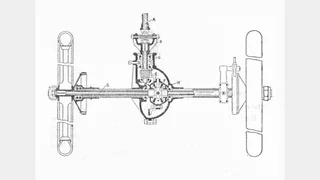
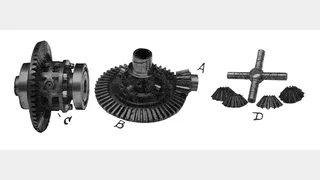
A differential works through a set of side gears and pinion gears inside the carrier. When the car is moving straight, the assembly rotates mostly as a unit and sends torque to both drive wheels. During a turn, the internal pinion gears spin to let the outer wheel rotate faster than the inner wheel while torque delivery remains balanced. This allows smooth changes in direction without forcing one tire to scrub across the road surface.
The component also interacts with transmission type and final-drive gearing. Whether a manual, automatic, CVT, or dual-clutch unit feeds it, the differential determines how engine torque is distributed at the drive axle. Fluid specification matters because the gears need proper lubrication and heat control. Fitment varies by vehicle platform, and diagnostic codes related to drivetrain or speed sensors can appear when the unit or its supporting components are not operating correctly.
Strengths, limitations and suitability
The main strength of a differential is predictable handling and reduced tire wear during normal street driving. It allows smooth cornering, stable lane changes, and less stress on half-shafts and wheel bearings. For daily commuting, family hauling, and highway travel, the open differential or a modern limited-slip alternative works well and requires no special driver input under ordinary conditions.
The limitation appears in extreme traction split situations. An open differential tends to send power toward the wheel with less grip, which can reduce forward drive on ice, mud, or steep loose slopes. Locking or limited-slip units address that by limiting speed differences between wheels, but they can feel heavier or occasionally bind in tight parking maneuvers. A locked arrangement improves straight-line traction off-road but sacrifices smooth turning on pavement, so it suits specialized use rather than general street driving.
Procedure
Inspecting or replacing a differential is precise work that involves supporting the vehicle safely, draining the gear oil, removing axles and driveline components, and handling a heavy carrier assembly. Because exact fastener torque, backlash, and bearing preload are critical, this is generally a professional-service task rather than a casual driveway repair. The correct fluid specification must match the application, and service history can help show whether unusual noise or leaks are age-related or point to deeper wear.
Before beginning any inspection, confirm the vehicle is level and stable, and keep components clean so contaminants do not enter the gears. Mark driveline orientation where applicable. A completion check includes refilling with the correct lubricant, testing for leaks, and making a brief low-speed maneuver in a safe open area to confirm that the drivetrain turns without binding or unusual noise. If manufacturer repair options for a sealed housing are limited, this can simplify replacement choices.
Diagnosing a problem
A common symptom of differential trouble is a rhythmic whine, howl, or rumble that changes with vehicle speed and can intensify under acceleration or deceleration. Another sign is clunking when shifting between drive and reverse or during low-speed turns. If you hear tire chirping or feel the car hopping in a tight parking-lot turn on dry pavement, the differential or a locked replacement arrangement may not be allowing the necessary speed difference between wheels.
Diagnostic codes may point toward vehicle speed sensor inconsistencies or traction-control behavior, but a code is evidence to investigate rather than proof that the differential itself has failed. Check the gear oil level and condition first, because contaminated or low lubricant often causes noise. If metal flakes are present in the drained fluid or the noise becomes loud enough to overpower normal conversation, stop driving and have the drivetrain inspected before further use risks axle or transmission damage.