Can a Car Start Without a Throttle Body

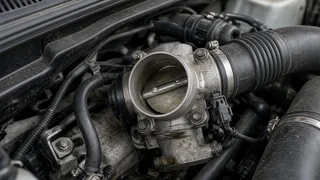
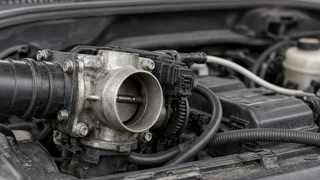
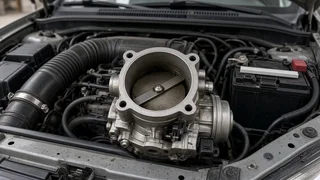
A throttle body normally regulates the air entering an engine, so removing it raises an obvious question: can a car start without throttle body? The answer depends on how the engine senses airflow and whether an alternate intake passage can deliver enough air for combustion. Understanding the throttle plate, position sensor, and idle control strategy helps explain why some engines may briefly catch while others refuse to fire cleanly.
Essential answer
A conventional port-injected or direct-injected gasoline engine generally will not start and run normally without a throttle body installed. The throttle body houses the throttle plate, which creates the restricted intake passage that the engine control module expects during cranking. Removing it creates a large air leakage path, so the airflow measurement or manifold pressure signal no longer matches the fueling calculation and the mixture can become too lean to sustain combustion.
Some engines may crank and produce a brief cough or an unsteady start if the intake piping remains partly connected and the position sensor still sends a control signal. Drive-by-wire systems rely on idle adaptation and expected throttle plate angle, making a missing body especially disruptive. A cable-operated body removed entirely usually prevents a clean start, though the specific response varies with the intake design and engine management strategy.