Can a car run without an oxygen sensor

A car can often start and move without an oxygen sensor, but the way it runs changes immediately. The sensor measures oxygen in the exhaust so the engine computer can fine-tune the air-fuel mixture. Without that signal, the computer substitutes a fixed fuel strategy. This may keep the vehicle drivable for a short trip, yet it usually increases fuel consumption, raises emissions, risks catalytic converter damage, and leaves the check engine light on. Understanding this behavior helps owners decide whether temporary operation is acceptable or whether repair should come first.
Essential answer
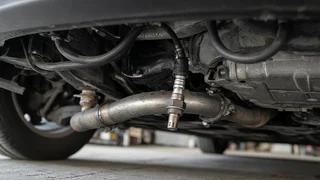
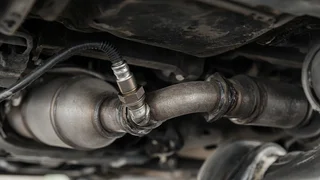
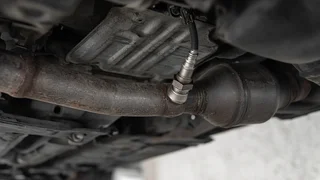
Yes, a car can run without an oxygen sensor in the sense that the engine will typically start and propel the vehicle. The oxygen sensor, mounted in the exhaust stream, reports whether combustion is lean or rich. When it is disconnected, missing, or faulty, the powertrain control module usually abandons closed-loop fuel correction and enters an open-loop or limp mode. The engine then relies on preprogrammed fuel maps and other inputs such as throttle position, coolant temperature, and manifold pressure, which allow basic operation without live exhaust feedback.
That operation is not normal, however. The computer can no longer verify the actual air-fuel ratio at the exhaust, so it tends to command a deliberately safe but rich mixture. Drivers often notice rougher idling, reduced responsiveness, a persistent warning light, and lower fuel economy. If the vehicle is driven in this state, unburned fuel can reach the catalytic converter and raise its internal temperature. The practical answer is therefore qualified: the car can run, but not for long-term or emissions-compliant service without risking costly follow-on damage.