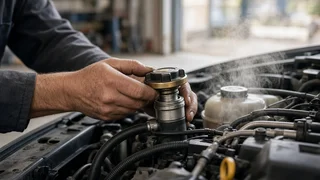
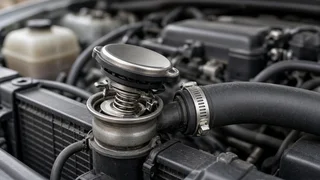
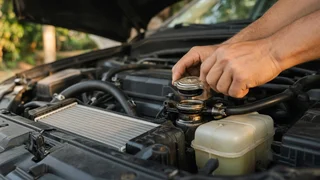
Can a Bad Radiator Cap Cause Too Much Pressure
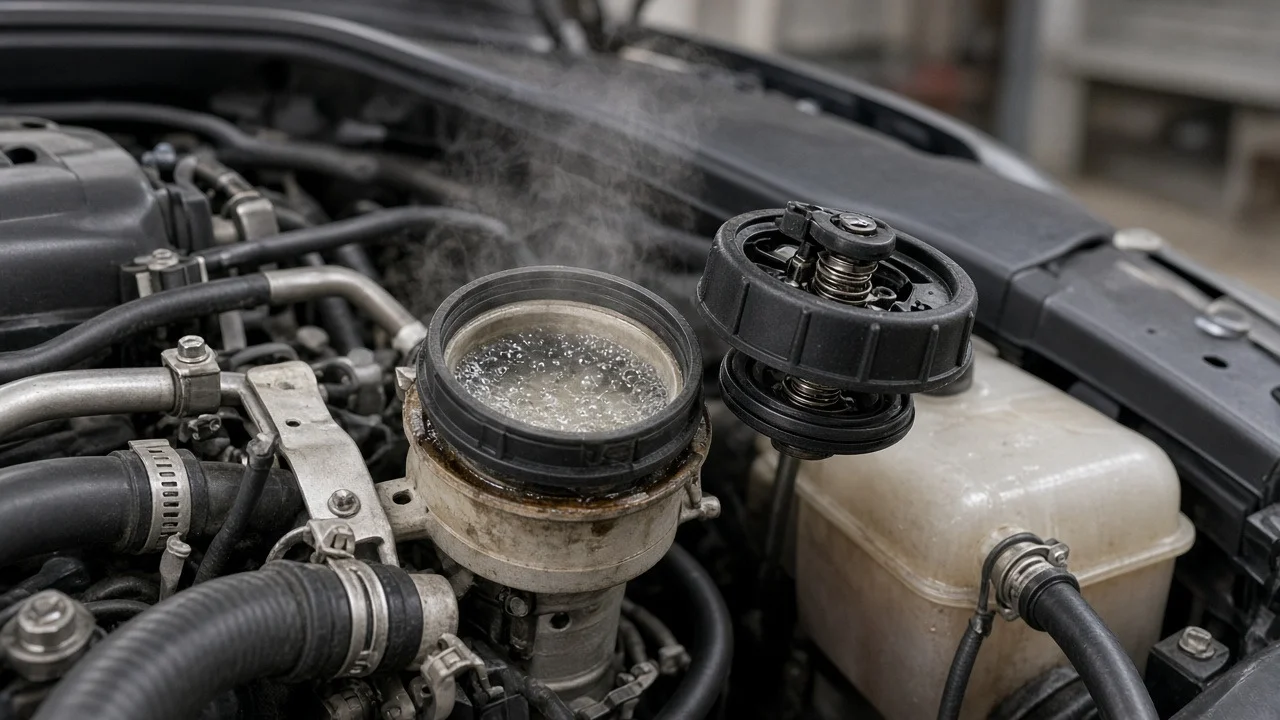
A cooling system relies on controlled heat and pressure, but a faulty radiator cap can disrupt that balance in a way that feels counterintuitive. Drivers often associate a bad cap with leaks and overheating, not with building excessive pressure. Yet the cap is a pressure regulator, and when its sealing or venting ability fails, the normal relationship between temperature, expanding coolant, and the cooling circuit changes. This can produce visible stress on hoses and the radiator that points back to a small, often overlooked component.
Essential answer
Yes, a failed radiator cap can allow the cooling circuit to reach or hold abnormal pressure, though the mechanism differs from a simple blockage. The cap is designed to seal the system and lift at a preset threshold, sending expanding coolant to the recovery tank. If the pressure cap’s upper seal leaks, air can be drawn in as the engine cools instead of coolant returning from the bottle. That introduced air pocket heats rapidly and expands, which can raise system pressure unevenly and overwhelm the radiator’s designed limits.
The result often shows up as bulging hoses, coolant released from the cap area, or stress on the radiator seams. A cap that fails to vent properly can also hold too much pressure before releasing, working like a jammed relief valve. However, excessive pressure should not be blamed on the cap alone. A combustion leak into the water jacket or a thermostat that sticks closed can create similar symptoms. A diagnostic reading of the cap and a check for exhaust gases in the coolant helps separate the causes.