Radiator cap holding too much pressure
A cooling system that builds pressure beyond the cap's release point can push coolant out of weak spots, strain hoses, and leave a driver guessing whether the cap is faulty or the engine condition is creating excess pressure. The question of a radiator cap not releasing pressure usually points to a sealing or venting problem, but combustion leakage, trapped air, and overheating can produce similar symptoms. Understanding how the cap and cooling circuit interact helps separate a simple hardware issue from a deeper engine concern before parts are replaced.
Essential answer
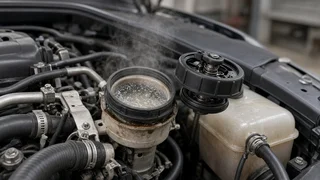
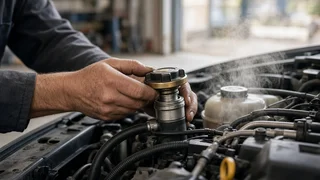
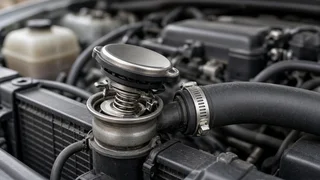
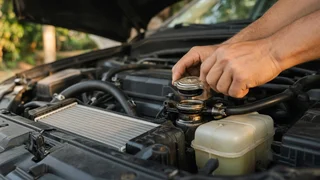
A radiator cap holding too much pressure typically means the cap's pressure-relief mechanism is not opening at its intended rating. The cap is designed to let expanding coolant escape to the reservoir as temperature rises, then allow coolant to return as the engine cools. If that two-way action sticks closed, the cooling circuit stays above normal working pressure. The result can be a swollen upper hose, seepage at hose connections, or a stressed radiator tank even when the temperature gauge remains in an ordinary range.
The direct answer is to treat the cap as a likely service item, but not as the only possible cause. Radiator cap pressure too high may come from a cap with a blocked vent, a wrong cap rating, or corrosion inside the cap mechanism. However, the same high-pressure symptom can appear when combustion gas enters the cooling circuit or when air pockets expand rapidly. Confirming whether pressure rises quickly after a cold start, or only after sustained load, helps determine whether the cap's relief function or another source is responsible.