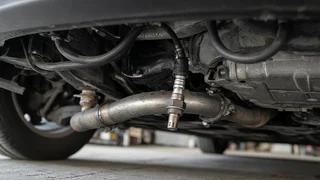
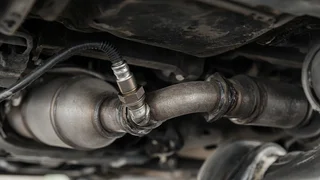
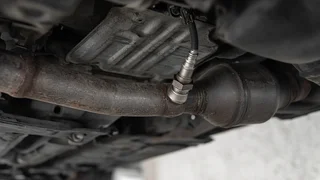
Can a Bad Oxygen Sensor Cause a No-Start
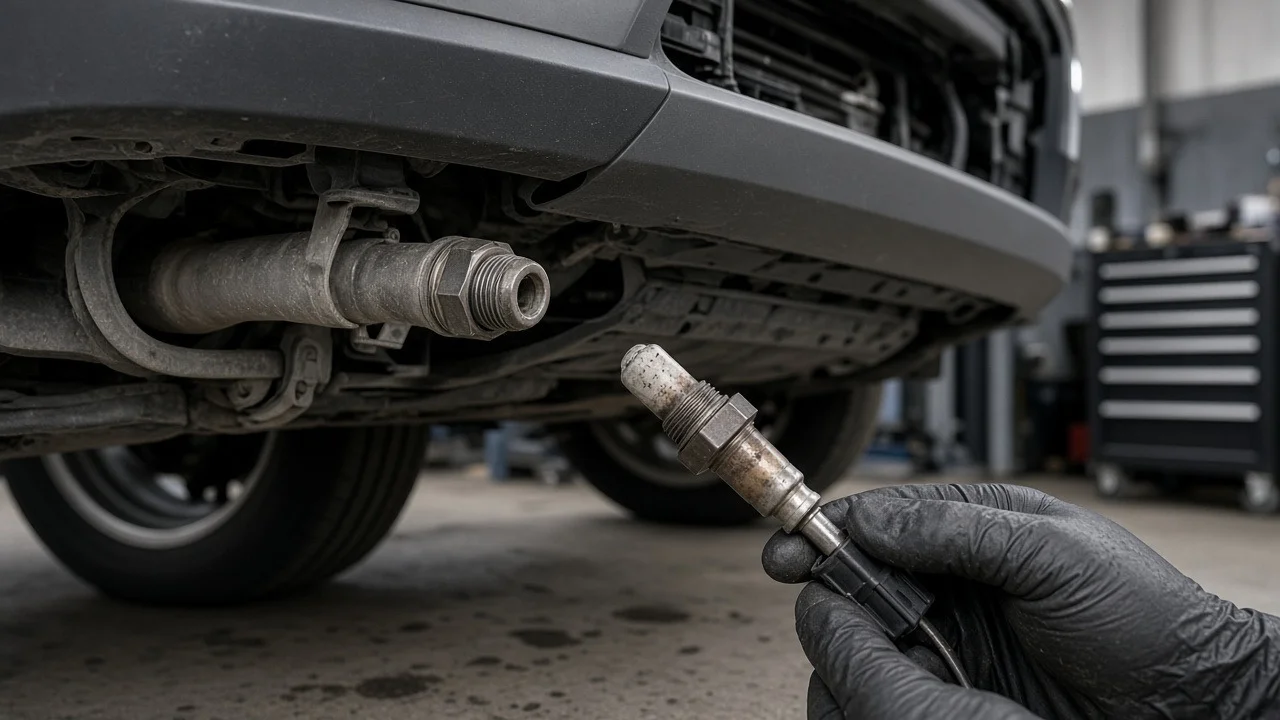
A no-start condition can be frustrating, especially when a recent check engine light pointed toward an oxygen sensor. The short answer is that a failed oxygen sensor by itself is unlikely to prevent a healthy engine from starting. It primarily measures exhaust oxygen after combustion, so it does not control the initial spark, cranking speed, or fuel delivery needed for startup. However, on some vehicles a badly degraded sensor signal can contribute to fueling problems that make starting noticeably harder. Understanding this distinction helps you avoid replacing the wrong component when the engine will not fire.
Essential answer
In most starting scenarios, the oxygen sensor is not part of the critical startup path. The starter circuit, battery state of charge, ignition switch, and initial fuel delivery determine whether the engine cranks and fires. The oxygen sensor only becomes useful after the engine is running and the sensor has warmed enough to produce a signal. Because the powertrain control module typically ignores a cold oxygen sensor during the first moments of operation, a sensor that has failed electrically will not normally stop the car from starting.
The more realistic concern is indirect. If an oxygen sensor has been failing for a long time, the engine computer may have learned incorrect fuel corrections. On some vehicles, those stored fuel trims can make cold starts rough, flooded, or hesitant. Even then, the sensor is not a proven cause of a complete no-start; a no-start usually requires checking spark, compression, fuel pressure, or cranking speed first. Manufacturer-dependent codes and vehicle-specific confirmation are necessary before blaming the sensor for any startup failure.