Can a Bad Oxygen Sensor Cause a Car to Stall
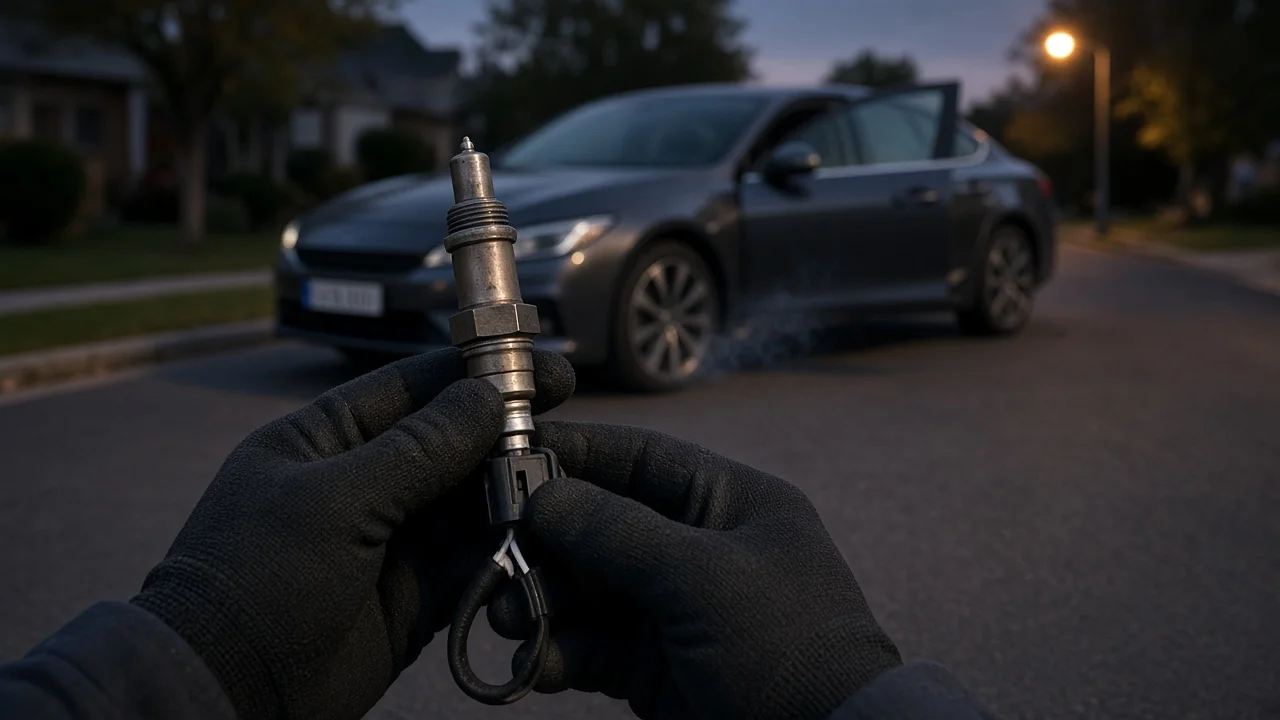
A stumbling idle or an engine that quits without warning can be unsettling, and the oxygen sensor is often suspected because it sits directly in the exhaust stream. Yes, a bad oxygen sensor can cause a car to stall, though the failure usually has to be severe enough to corrupt the air-fuel mixture at idle. The fault may arrive gradually with rough running, hesitation, or a lit malfunction indicator before the engine actually dies. Understanding how the sensor influences fueling helps separate a true sensor fault from related exhaust or ignition problems.
Essential answer
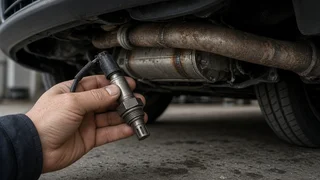
A failing oxygen sensor can cause stalling when it sends incorrect voltage signals to the engine control module, leading the computer to command an excessively lean or rich mixture. At idle, a very lean mixture may not support stable combustion, while an over-rich mixture can foul the spark plugs or flood the cylinders enough to kill the engine. The problem is often intermittent at first, appearing as a dipping idle or slow recovery when the throttle closes. Because the sensor measures leftover oxygen in the spent exhaust, any plausibility error in that reading directly changes the injector pulse width.
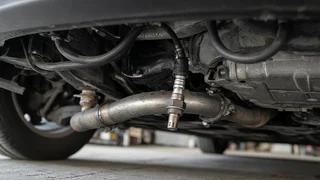
A bad sensor does not always act alone, and diagnostic codes are clues rather than proof that the part has failed. Wiring damage near the exhaust, a cracked sensor mounting boss, or an exhaust leak upstream of the sensor can introduce outside air and mimic a lean condition. The catalytic converter may also suffer when unburned fuel enters the exhaust during an over-rich event. Before replacing the sensor, the connector, heater circuit, and related ground paths should be checked, since an open heater can delay closed-loop operation and worsen cold-idle stability without necessarily setting an oxygen sensor-specific fault.