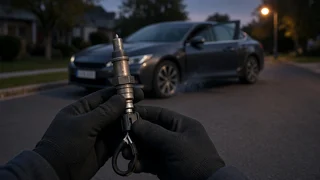
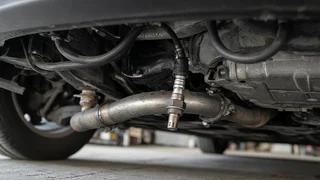
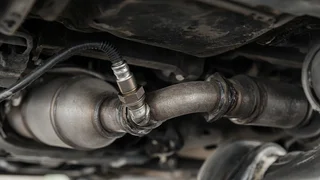
Can an Oxygen Sensor Cause a Car to Stall
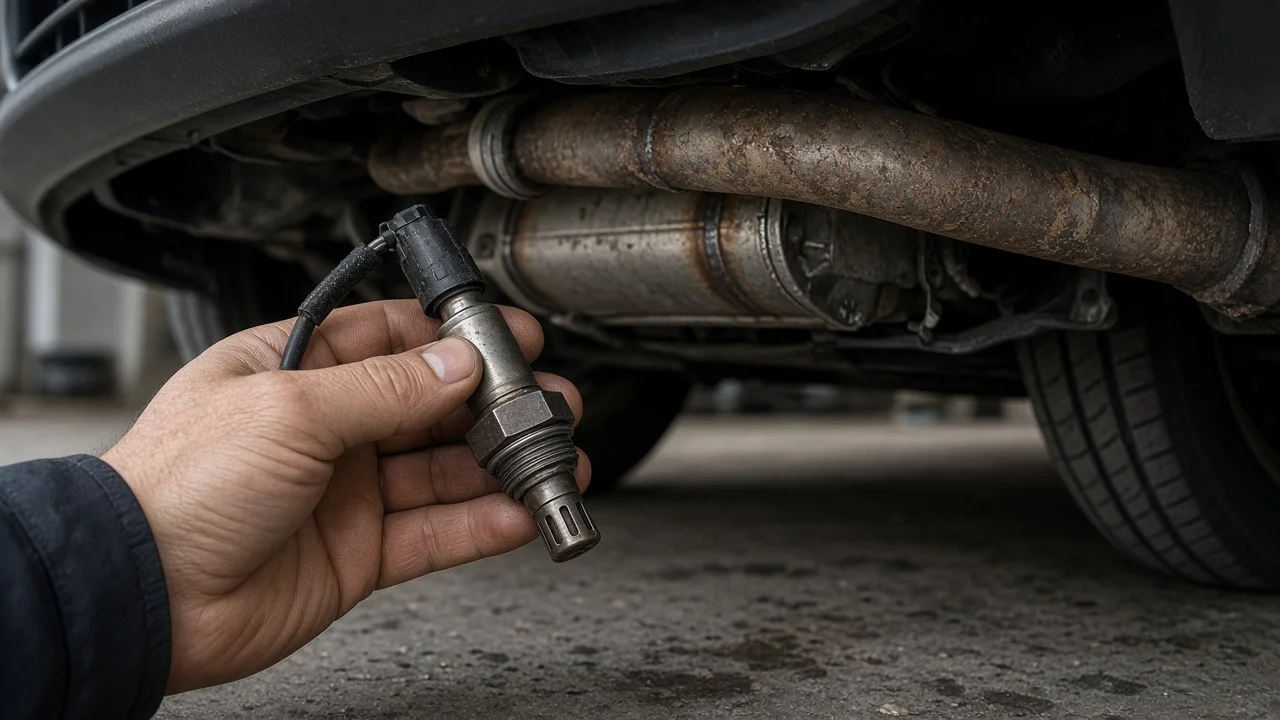
A failing oxygen sensor can absolutely cause a car to stall, though it is rarely the only possible culprit. The sensor feeds live exhaust-gas data to the engine computer, which adjusts fuel delivery many times per second. When that signal becomes slow, flat, or implausible, the air-fuel ratio can swing far enough to overwhelm the idle control system. Understanding why this occurs helps you distinguish a sensor-related stall from issues involving fuel pressure, ignition, or vacuum leaks before replacing parts.
Essential answer
Yes, a faulty oxygen sensor can make a car stall. The sensor sits in the exhaust stream and reports whether the engine is running rich or lean. The powertrain control module uses that voltage signal to trim injector pulse width. If the sensor sends a false lean reading, the computer may add so much fuel that the mixture becomes unstable at idle. If it sends a false rich reading, the engine can go lean and struggle to keep rotating when the throttle closes.
The stalling typically appears when the engine is warm and the system enters closed-loop fuel control. At idle, there is very little airflow to cover a mixture error, so a wrong oxygen sensor signal has a larger effect than at highway speed. The sensor does not generally stop a car from running permanently, but it can interrupt idle, cause stalling at stoplights, and make restarting inconsistent. Because the code is only evidence of a signal problem, testing the sensor response and checking for exhaust leaks near the mounting point should come before condemning the component itself.