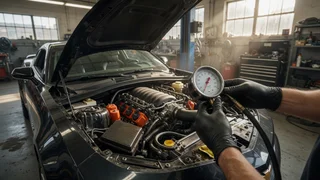
Camaro oil pressure
Oil pressure in a Camaro is not a single fixed reading but a changing measurement that reflects how well the lubrication system is feeding critical engine parts under load, temperature, and rpm. Drivers often notice the gauge move between idle and highway speed, then wonder whether the value is normal. Because the cluster reading depends on sensor accuracy, oil viscosity, engine wear, and operating conditions, a Camaro oil pressure observation should be interpreted as a diagnostic clue rather than a verdict on engine health.
Essential answer
Oil pressure on a Camaro indicates the resistance the engine oil encounters as the pump pushes it through bearings, passages, and hydraulic components. A healthy system generally shows lower pressure at a warm idle and higher pressure as rpm rises, but there is no universal single number for every model year or engine. The meaningful question is whether the reading is stable, responds to throttle changes, and stays within the expected range for the specific lubrication system.
Several factors can shift that range before any component has failed. The lubricant specification matters because an oil that is too thin at operating temperature may produce a lower reading, while cold, thick oil can briefly read high. Fill quantity and a correct level check also influence the measurement: low oil can uncover the pickup, introduce air, and cause erratic pressure. Service interval history helps distinguish a gradual change caused by old or diluted oil from a sudden drop that suggests a sensor, relief valve, or mechanical concern.