Brushless In-Tank Fuel Pump
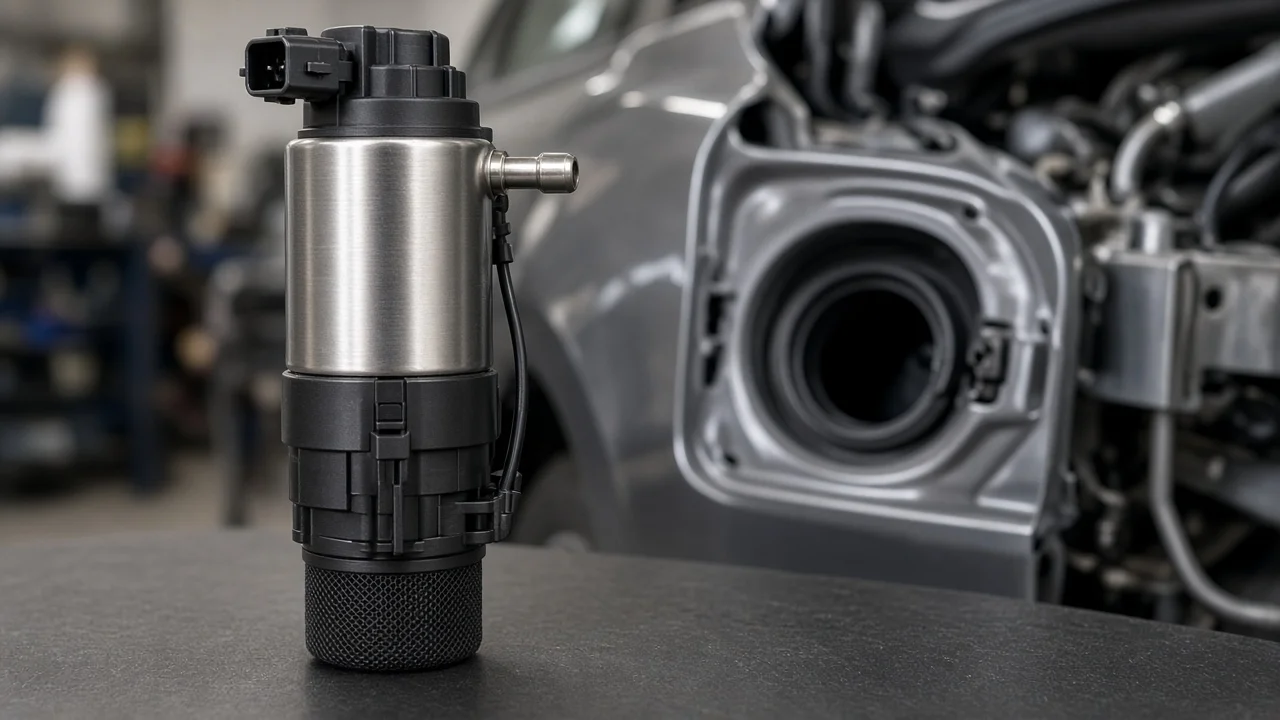
Choosing a brushless in-tank fuel pump means weighing how the motor design changes delivery, durability, and control inside the module. A brushless fuel pump in tank replaces the traditional commutator and brushes with electronically switched windings, which reduces internal friction and wear while supporting steady fuel pressure to the injectors. Buyers typically compare this design against conventional pumps when diagnosing pressure loss, planning a high-flow upgrade, or replacing an aging module. The right choice depends on the controller, tank module fitment, and how the pump interacts with the existing filter and return system.
The direct answer
A brushless in-tank fuel pump is generally worth considering when the application can drive it correctly and the module accepts the pump body. The brushless motor removes the carbon brushes that wear, arc, and generate heat in a standard electric pump, so the rotating assembly tends to run cooler and maintain more consistent output over time. In many return-style and returnless fuel systems, that steadier flow can support stable fuel pressure at the rail, which helps the injectors meter fuel predictably.
However, the answer does conditionally change. A brushless fuel pump in-tank usually requires a matching controller because it cannot simply run from switched 12-volt power the way many brushed pumps do. Vehicle-specific fitment, the pump hanger, the internal filter sock, and the module wiring must also be confirmed. If the existing system cannot command the pump correctly or the sender assembly is not compatible, even a well-made pump may not perform as expected. Treat the part as an upgrade that must match the whole fuel delivery circuit rather than a universal drop-in replacement.