Brass Tire Pressure Gauge
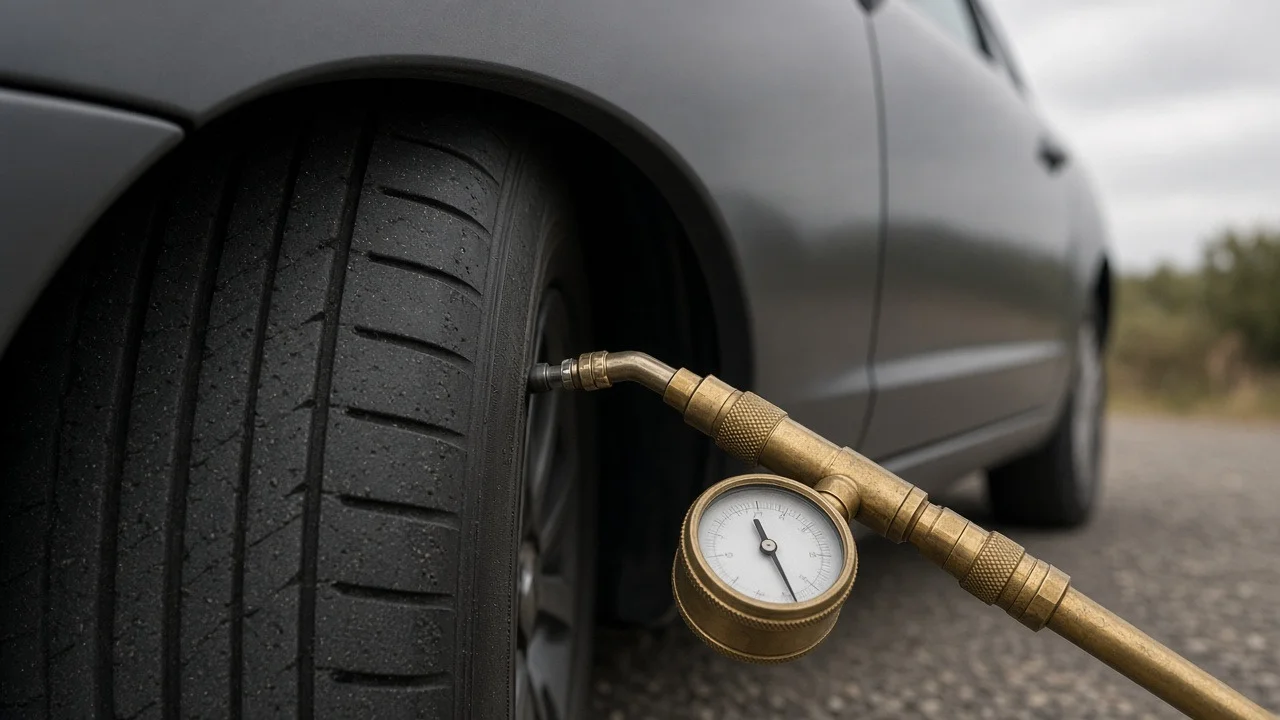
A brass tire pressure gauge remains a practical choice for drivers who want a durable, readable way to check inflation at the valve stem. Unlike plastic-bodied tools, brass resists corrosion and physical damage better, which matters when the gauge lives in a glovebox or trunk. Choosing one involves looking beyond the metal shell to the measurement range, dial clarity, connection quality, and how the gauge reads pressure in psi or other units.
The direct answer
A brass tire pressure gauge is a sound purchase when the body and internal mechanism are built to hold calibration over repeated use. Brass resists the moisture and road grime that can degrade cheaper materials, so the gauge is more likely to remain consistent if it is not dropped frequently. The immediate answer depends on the tire type: a standard passenger car gauge should cover roughly 30 to 40 psi comfortably, while a truck or trailer tire may require a higher measurement range.
Look for a gauge with a clear dial or digital display that shows the reading long enough to record it. Accuracy is only useful if the connection seals firmly on the valve stem without leaking air while you check the pressure. Because vehicle specifications vary, confirm the recommended inflation pressure on the driver’s door jamb or owner’s manual, then choose a gauge whose range places that target in the middle rather than at the extreme end of the scale.