BMW Retractable Hardtop Convertibles
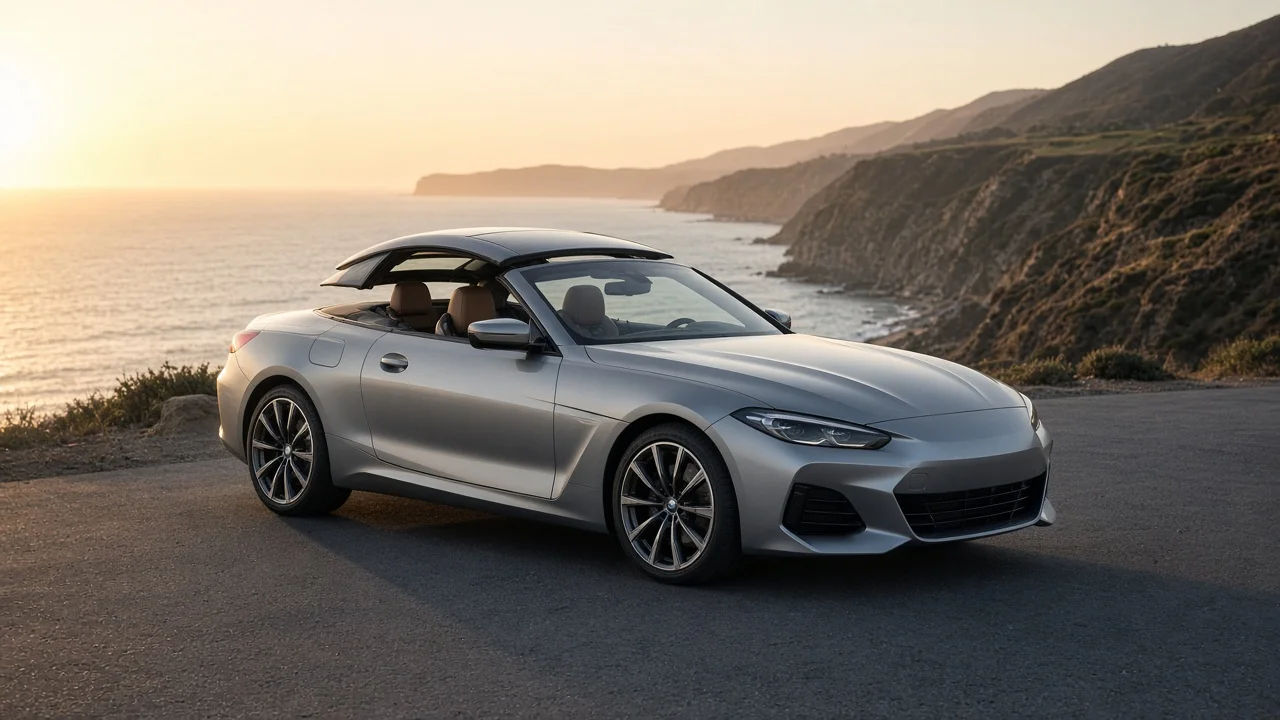
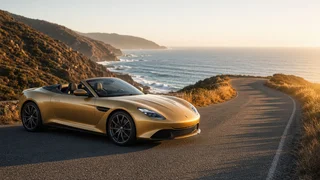
A BMW retractable hardtop convertible pairs open-air driving with a folding rigid roof instead of a fabric top. Shoppers often compare this body configuration with traditional soft tops because the metal panels change noise isolation, security, and trunk behavior. The vehicle class sits between a coupe and a roadster, preserving a closed cockpit when raised while offering a true convertible experience when lowered. Understanding how the roof mechanism, seating layout, and market segment interact helps buyers weigh practicality against the appeal of top-down motoring.
Essential answer
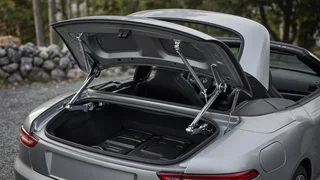
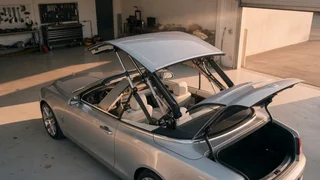
A BMW retractable hardtop convertible is a drop-top model whose roof is made from rigid panels that fold and store under a decklid or behind the seats. Compared with a cloth roof, this design generally provides a quieter cabin when closed and a more coupe-like silhouette. The trade-off appears in packaging: the stowed panels consume luggage space, and the mechanism adds weight compared with a soft-top equivalent. The body configuration therefore suits drivers who want a dual-purpose car rather than a fair-weather-only roadster.
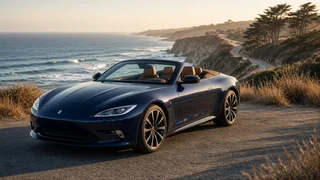
Within the BMW range, these models span several generations and vehicle classes, from compact four-seat convertibles to larger grand tourers. Seating layout can be two-place or 2+2, depending on the platform, while powertrain layout is usually front-engine with rear or all-wheel drive. The retractable hardtop distinguishes the car from a fixed-roof coupe and from a conventional cabriolet, so a buyer should verify which model generation actually uses a folding metal roof rather than assuming every BMW convertible shares the same mechanism or trunk capacity.