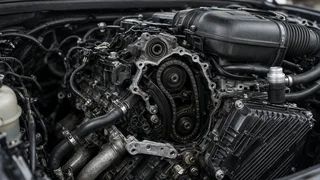
BMW N52 timing chain
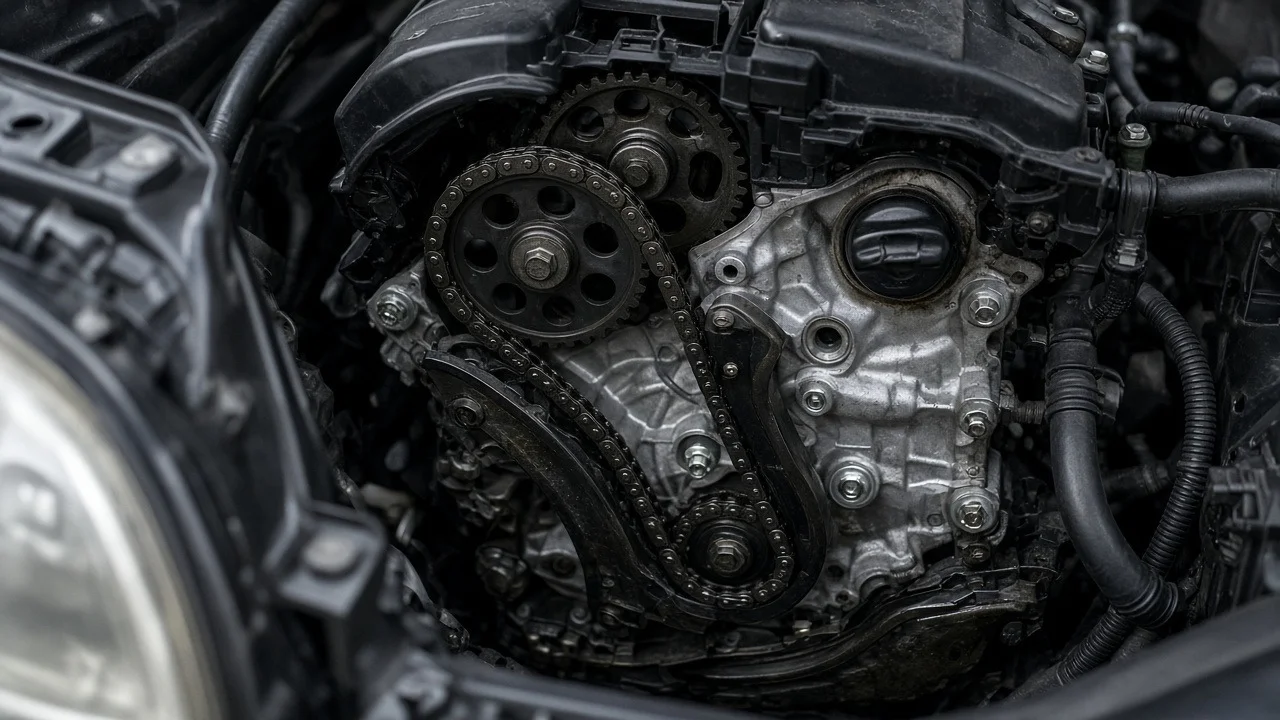
The N52 engine timing chain is the internal link that keeps the two camshafts synchronized with the crankshaft. When the chain, guides, tensioner, or sprockets wear, valve timing can drift and the engine may run poorly or trigger diagnostic codes. Understanding how this engine configuration behaves under different symptom conditions clarifies why inspection and service history matter. The following explains the essential answer for owners researching this timing drive, including what the subject includes and what a chain-related fault may or may not prove on a specific vehicle.
Essential answer
The essential answer is that the N52 uses a timing chain rather than a belt, and the chain is expected to last the normal service life of the engine under proper lubrication and maintenance. The timing drive also includes plastic chain guides, a hydraulic tensioner, sprockets, and sealing surfaces. Wear in any of these parts can create slack, noise, or correlation faults. A reported timing chain concern should therefore be read as a timing system concern, not automatically a broken chain, because the supporting components commonly wear first and alter chain behavior.
Diagnostic codes related to camshaft position or timing over-advanced should be interpreted as evidence of a measurement outside expected values, not as proof that the chain has stretched. The N52 engine configuration relies on oil pressure for tensioner control, so low oil level, oil pressure changes, or aged guides can influence the same codes. Manufacturer specifications and a physical inspection of the upper guide and tensioner help distinguish a chain problem from a sensor, actuator, or oil supply issue before any repair decision.