BMW N52 Timing Chain Replacement
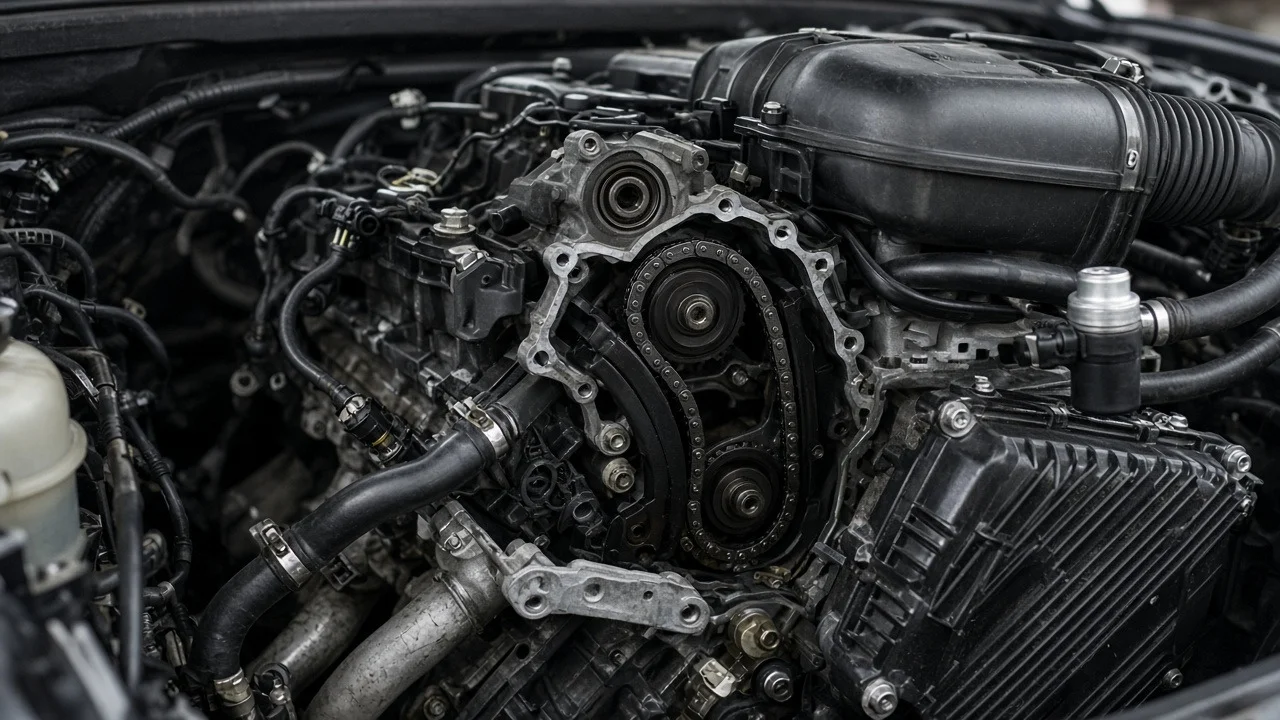
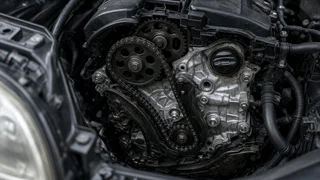
Owners researching BMW N52 timing chain replacement often face noise, diagnostic codes, or uncertainty about wear. The N52 is a naturally aspirated inline-six, and its chain system lives at the front of the engine. Replacement is a major repair, but the scope depends on engine configuration, symptom conditions, and service history. Before committing to parts, inspection should separate chain stretch, guide wear, and tensioner faults. A stored fault code alone does not prove a chain has failed; it directs diagnosis. Understanding the mechanism helps you judge a repair estimate and avoid unnecessary work.
Essential answer
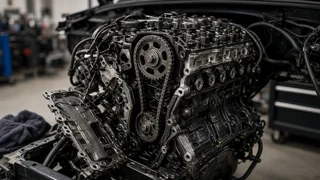
BMW N52 timing chain replacement is a substantial engine service, not routine maintenance. The chain synchronizes the crankshaft and camshafts, and it normally lasts the life of the engine. Replacement becomes necessary when inspection finds measurable wear, broken guides, or a tensioner that no longer controls slack. Because the chain is located at the front, the job typically involves removing the valve cover, front covers, and related drive accessories. Manufacturer specifications and specialized timing tools are part of a correct repair, so it is usually a job for a well-equipped shop.
The essential answer changes with the engine configuration. In some vehicles, the chain is at the front and access is more direct, while other packaging can make the work deeper. Symptom conditions matter too: cold-start rattle for a second or two often points to the tensioner, but continuous noise under load suggests guide or chain wear. Diagnostic codes for camshaft correlation do not confirm a failed chain by themselves; variable valve timing faults and oil pressure problems can create similar readings. A measured inspection is the only way to confirm replacement is actually needed.