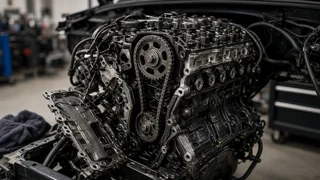
BMW N43 timing chain
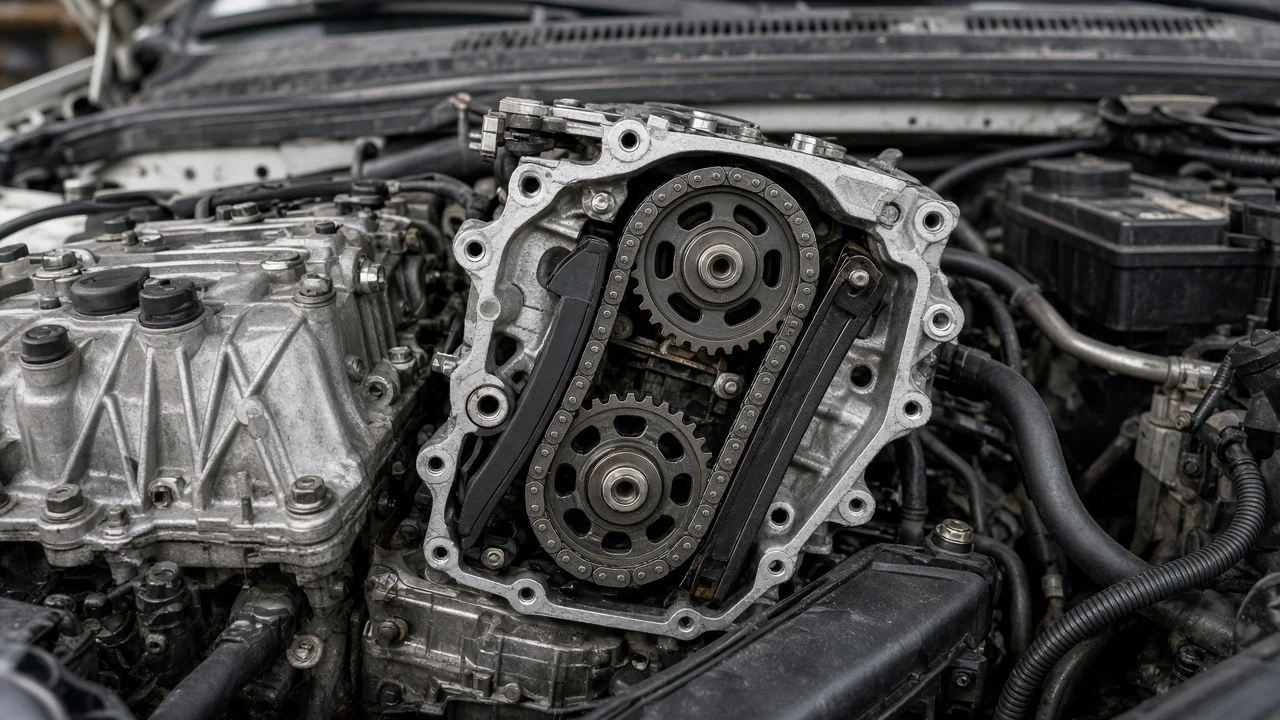
The BMW N43 engine timing chain question usually begins after a cold-start rattle, an irregular idle, or a stored diagnostic code that points toward camshaft correlation. These direct-injection four-cylinder engines rely on the chain assembly to keep the crankshaft and camshafts synchronized, and small amounts of wear or tensioner movement can change valve timing before a complete failure occurs. Understanding the layout, symptom conditions, and inspection limits helps an owner evaluate the problem without assuming that a fault code automatically proves which component has failed.
Essential answer
The N43 engine timing chain is the internal drive system that coordinates the rotating crankshaft with the twin camshafts operating the intake and exhaust valves. Its scope includes the chain itself, the guides that shape its path, the tensioner that controls slack, and the sprockets that maintain phase relationship. Because the chain operates in a lubricated timing case at the front of the engine, access for diagnosis is limited and many initial judgments rely on external sounds, service history, and diagnostic codes rather than a direct view.
The essential answer is that an N43 timing chain concern describes a potential loss of precise camshaft synchronization, not automatically a broken chain. Stretching, guide wear, or a weak tensioner can produce mild timing drift that the engine management system reports as a correlation fault. Manufacturer-dependent diagnostic codes require vehicle-specific confirmation because similar numbers can carry different meanings across control modules. An accurate conclusion therefore combines the stored fault, the conditions under which the symptom appears, and a physical inspection of the accessible timing components.