BMW N20 Timing Chain Replacement
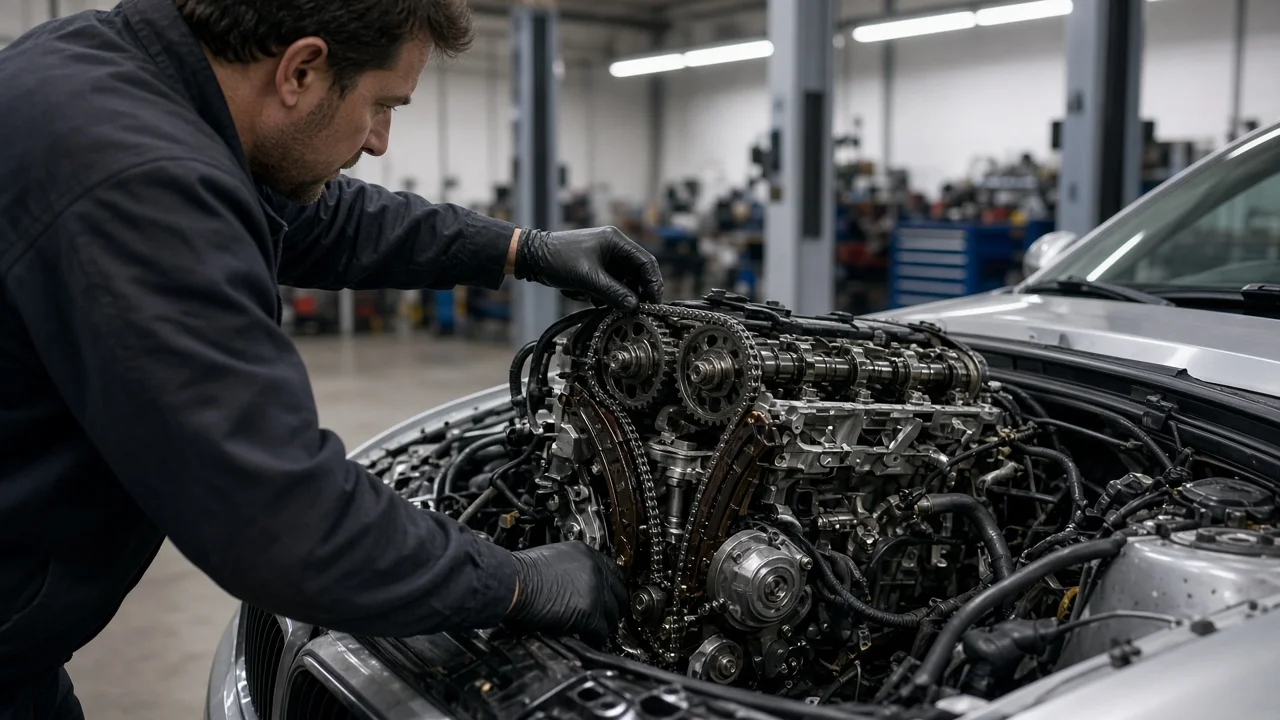
BMW N20 timing chain replacement is a major engine repair that owners often research because early wear can lead to noise, rough running, or severe internal damage. The N20 turbocharged four-cylinder uses a timing chain system that keeps the crankshaft and camshafts synchronized, so accurate diagnosis matters as much as the repair itself. Understanding the engine configuration, symptom conditions, service history, and inspection findings helps you separate a failing chain from other valvetrain or oil-pressure concerns before committing to labor-intensive service.
Essential answer
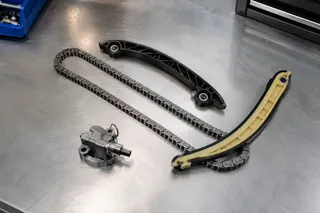
A BMW N20 engine timing chain replacement means removing and replacing the chain, guides, tensioner, and usually related sprockets or seals after wear or damage is confirmed. The job is extensive because the chain runs at the rear of the engine in many applications, which can require significant disassembly or specialized access. It is not a routine maintenance item with a fixed interval for every vehicle; replacement becomes necessary when inspection, diagnostic codes, or audible symptoms show the timing drive has degraded beyond manufacturer specifications.
The direct practical answer is that suspected chain problems should be investigated promptly, but replacement should follow evidence rather than mileage alone. A rattling sound during cold starts, camshaft correlation faults, or visible guide debris in the oil can point toward the timing drive, yet each sign needs interpretation. Service history and oil-change consistency also matter because lubrication affects wear. Once replacement is justified, using updated components and following proper timing procedures is essential for a durable repair.