BMW N13 Timing Chain
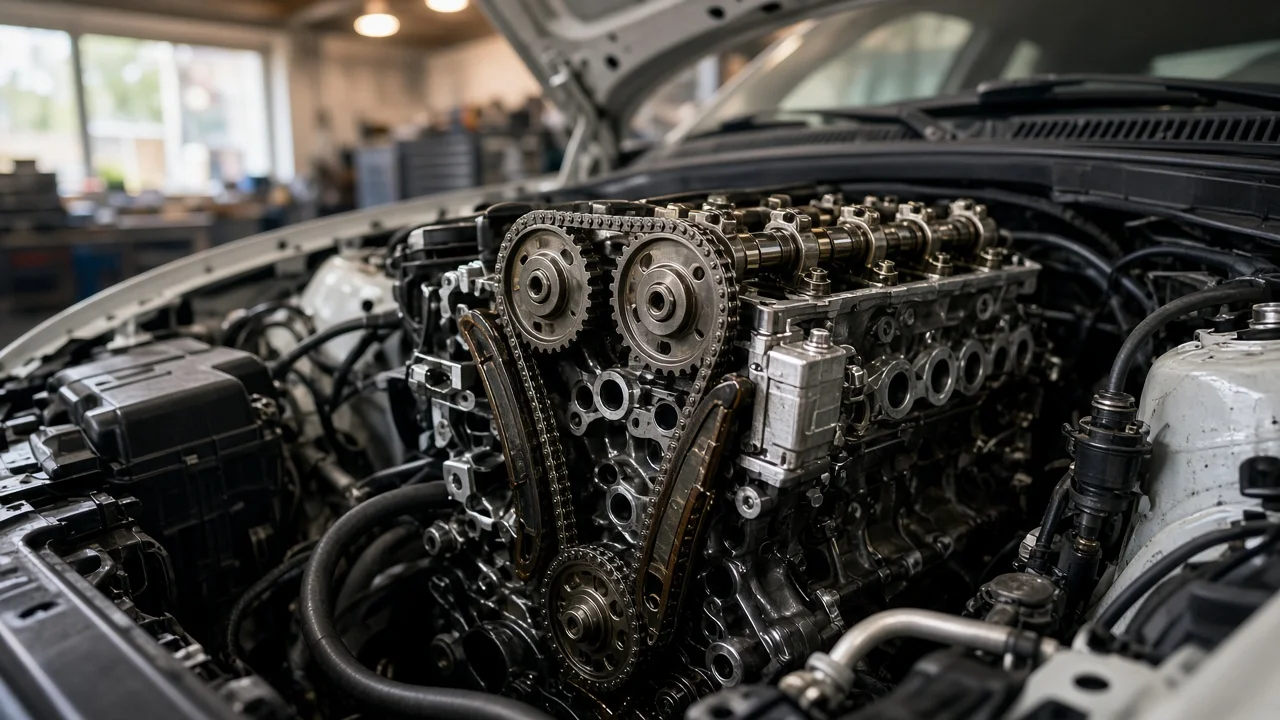
Timing chain questions on the BMW N13 engine usually begin with an unfamiliar rattle, a cold-start clatter, or a stored diagnostic code pointing toward camshaft position. This turbocharged four-cylinder was used in several small BMW models where packaging, oil condition, and service history influence chain behavior. Because the chain is internal and not routinely visible during basic maintenance, owners often need to connect symptom conditions with likely wear patterns before opening the engine. Understanding how the chain and its guides operate helps distinguish ordinary noise from a developing concern worth inspection.
Essential answer
The BMW N13 engine uses a timing chain to synchronize the crankshaft and camshafts, rather than a rubber belt with a fixed replacement interval. That design is generally intended for long service life, but it still depends on clean oil, proper tensioner operation, and plastic guide durability. The essential answer is that the N13 timing chain should be viewed as a wear-monitored component, not an automatically failure-prone part. Rattling on cold start, especially when brief, may simply describe tensioner or guide condition before oil pressure builds fully.
Diagnostic codes related to camshaft or crankshaft correlation are not proof that the chain has stretched or jumped. They are evidence that the expected relationship between rotating components is outside the range the engine control unit anticipates. That can also be caused by sensor faults, wiring problems, or variable valve timing faults. A useful next step is to compare service history and symptom conditions with the fault, then inspect the chain area only after manufacturer specifications and vehicle-specific information support that path.