BMW M57 diesel timing chain
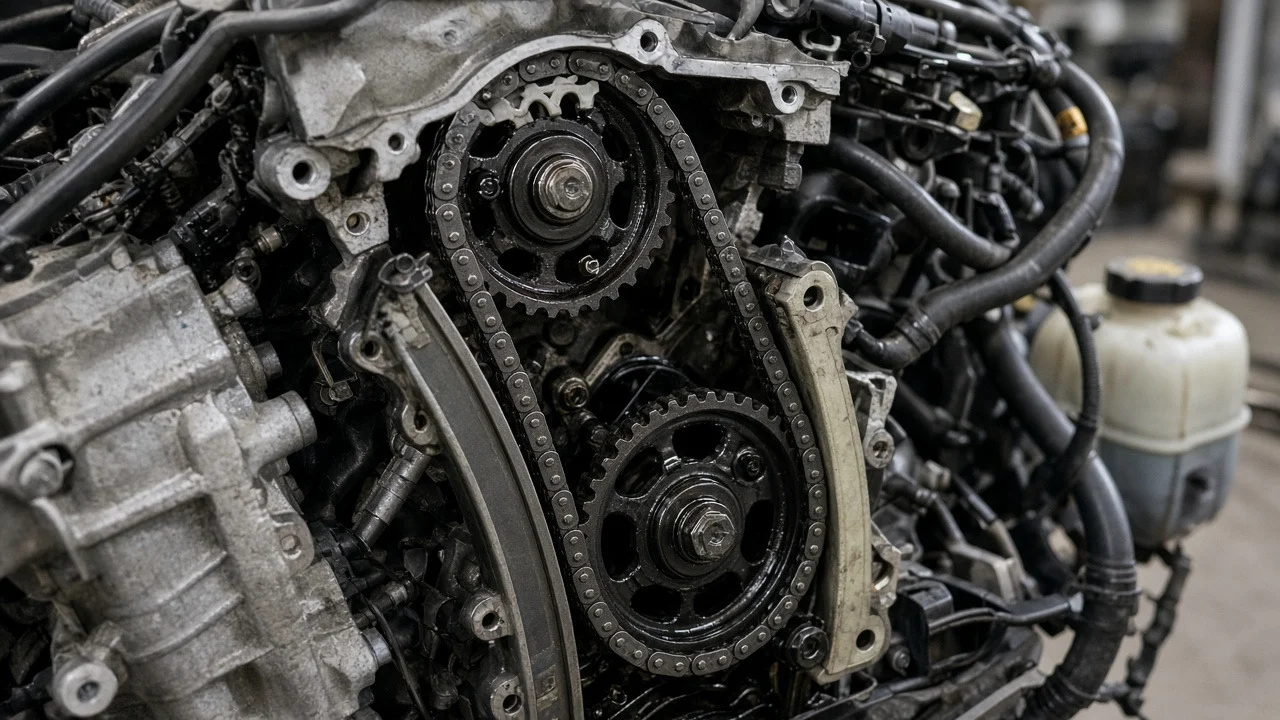
The BMW M57 diesel engine family earned a strong reputation in several passenger and light-duty applications, but wear in its timing drive can create costly questions for owners. The m57 engine timing chain is a crucial link between the crankshaft and camshafts, keeping valve events synchronized with piston movement. Diesel combustion loads expose this drive to fatigue, and oil condition or extended intervals influence how long the components remain quiet. Understanding the chain run, tensioner behavior, and early warning signs helps an owner separate normal diesel noise from a timing concern.
Essential answer
The essential answer is that the M57 uses a timing chain rather than a belt, and the concern usually centers on wear, stretch, or tensioner degradation in higher-mileage versions. In an inline-six diesel, the chain may be positioned toward the rear of the engine, making access more involved than on many gasoline engines. This location protects the drive from road debris but increases labor when inspection or replacement is required. Chain stretch beyond design limits can alter camshaft timing, affecting combustion quality, smoothness, and diagnostic readings.
Because the timing drive also handles high-pressure injection events and diesel vibration, the tensioner and guide surfaces work harder than in a lightly loaded gasoline application. A worn tensioner may allow the chain to whip during speed changes, producing a rattle that fades after oil pressure builds. That sound should not be assumed harmless, since slack can accelerate sprocket tooth wear. The practical scope of the topic is recognizing how the m57 engine timing chain behaves and why oil history matters before a repair decision.