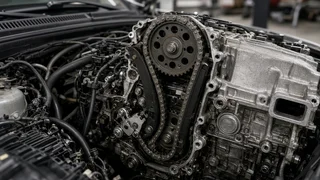
BMW M47 diesel timing chain
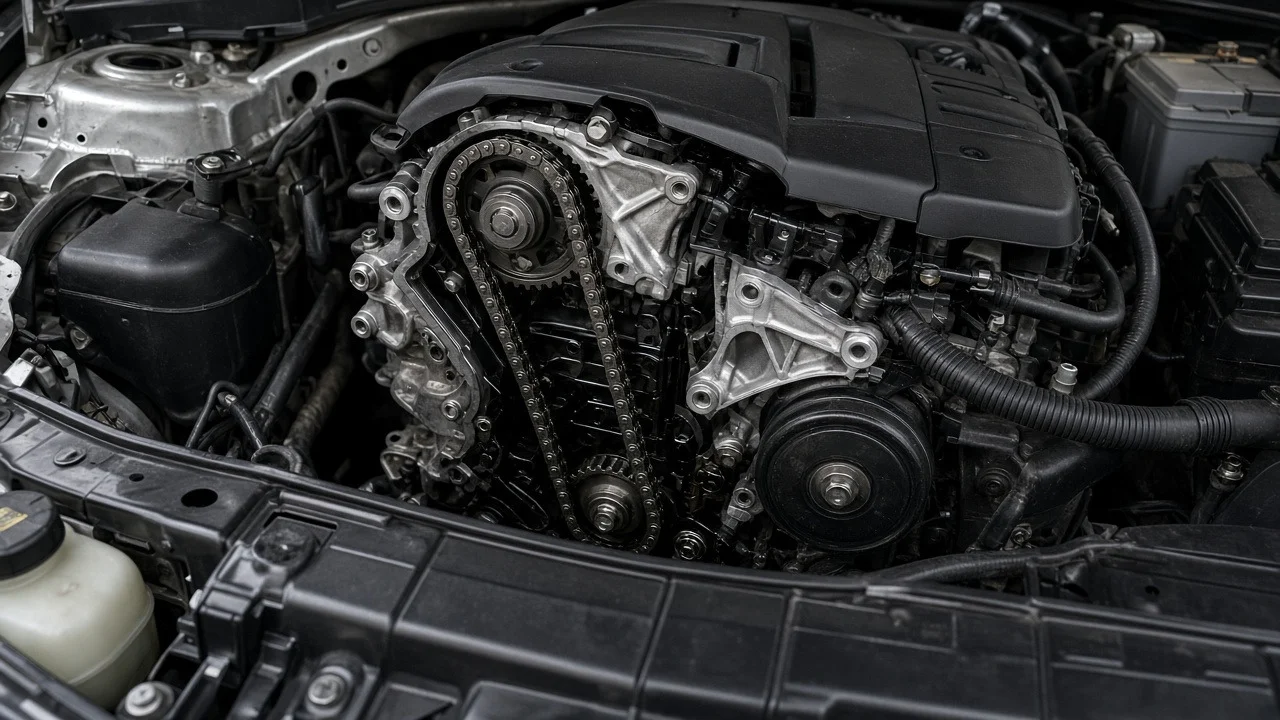
The BMW M47 diesel timing chain is one of the most discussed service concerns on this engine platform, especially for owners evaluating long-term reliability. This diesel appeared across several passenger vehicles and produced different outputs depending on displacement and fueling calibration. A timing chain synchronizes the crankshaft and camshafts, so stretch or wear influences valve events, injection timing, and starting behavior. The measured question around the M47 engine timing chain reflects an informational search: people want to understand the mechanism, recognize failure symptoms, and judge whether a repair is urgent.
Essential answer
The essential answer is that the M47 uses a chain-driven camshaft arrangement rather than a belt, and its timing chain system is a known area to monitor as mileage accumulates. The base concern is not that every example fails, but that chain stretch, guide wear, or tensioner degradation can alter synchronization. Because the engine is a diesel, even small changes in valve opening can show up as hard starting, rough idle, or altered injection behavior. Fuel pressure, injector operation, and the fuel pump all remain separate systems, but they depend on correct mechanical timing to deliver fuel at the right point in the compression stroke.
Several symptoms may point toward the chain rather than a fuel filter or leak check. A metallic rattle after a cold start, uneven idle that improves with rpm, or cranking that sounds slightly irregular can suggest the chain is no longer holding precise valve events. If diagnosis reveals fueling issues, a mechanic may check the chain along with fuel trim and the high-pressure side. An engine with a stretched timing chain can also set correlation codes, although manufacturer-dependent fault codes require vehicle-specific confirmation rather than being treated as automatic proof of chain failure.