BMW E46 battery drain
The short answer
If a BMW E46 battery keeps going flat while the car is parked, there are two likely causes. The battery may no longer hold a charge. Or there is a parasitic drain, meaning an electrical load that keeps drawing current after the car is locked and should be asleep. The fix depends on which one it is, so confirm the cause by measurement before replacing any parts.
Searches that pair the E46 with "FSR" suggest this abbreviation has been linked to the drain. The information available for this guide does not define FSR for the E46 and does not document it as a known drain source. Treat any diagnosis that blames one specific component as unconfirmed until it is verified on your own car.
Why the answer varies between E46 cars
E46 is the generation code for a 3 Series family that came in several body styles, trims and market specifications. Factory options and later aftermarket additions also differ widely. Those additions can include navigation, upgraded audio, a convertible top mechanism, alarms and remote starters. The circuits that could be draining the battery therefore differ from one car to the next. A cause found on one E46 does not necessarily apply to another.
Pinning down what "FSR" refers to
Before you chase an FSR fault, check where the term came from. It could be a scan tool readout, a fault memory entry, a workshop note or a forum post. Write down the exact wording and any code that went with it. Ask whoever supplied it which control module or circuit they meant. An abbreviation that has been misread, mistyped or carried over from a different BMW model can send a diagnosis in the wrong direction.
How to confirm a parasitic drain
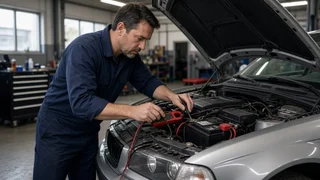
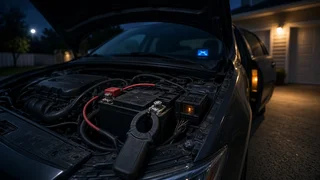
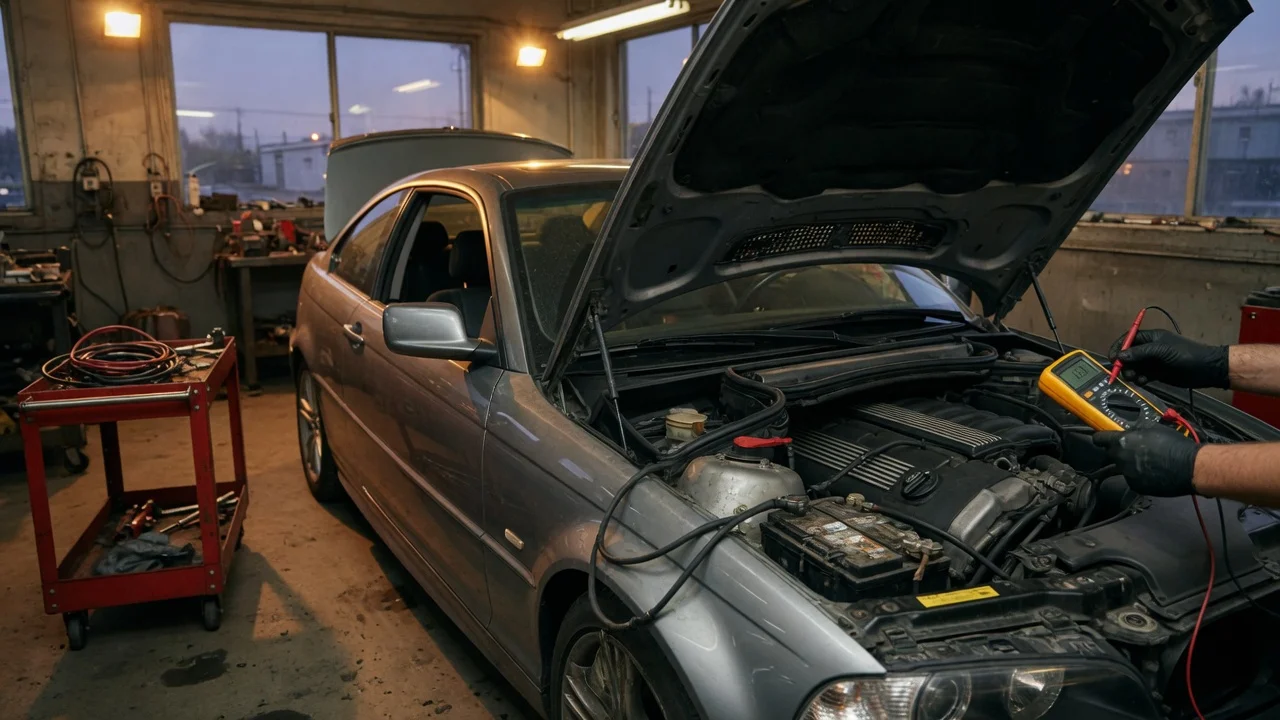
Start with a fully charged battery and have it load-tested. A weak battery can look exactly like a drain. Measure current with a multimeter connected in series between the negative battery terminal and the disconnected negative cable. Use a range that will not blow the meter's internal fuse. With the meter connected, do not start the engine or switch on heavy loads. Close and lock the car, then wait for the control modules to go to sleep before taking a reading. Some modules stay active for a while after shutdown, so an early reading can look misleadingly high. Avoid reopening doors or the trunk during the test, because this can wake modules up again. Some technicians close the latch mechanism by hand instead, or use a meter they can read from outside the car. Once the reading has settled, pull fuses one at a time and watch for a clear drop in current. Use the fuse chart for your specific car to identify which circuit that fuse feeds. Check for lights that may stay on with the lid closed, such as glovebox, trunk or vanity lamps. Inspect any aftermarket electrical equipment and its wiring, since non-factory installations are a common place for unexpected constant loads.
Disconnecting the battery can reset stored settings, and on some cars a radio code may be needed afterward. Have that information to hand before you start.
When to involve a specialist
Some drains are intermittent, or they appear only after the car has been parked for a long time. They may also disappear whenever the car is disturbed for testing. In those cases a workshop with BMW-capable diagnostic equipment can be the quicker route. Such equipment can read fault memory and check whether individual modules are going to sleep as expected. Pass on the exact FSR reference you were given, so the technician can tell whether it is relevant to the drain.
Gaps in the available information
The information available for this guide does not include several things you would need to finish the diagnosis. It has no BMW figure for acceptable sleep current on the E46. It has no module sleep timings and no fuse assignments for any E46 variant. It also has no documented test findings that link a specific component to battery drain. Take these from BMW service information or a qualified technician for your exact model year, body style and market, rather than relying on general rules of thumb.