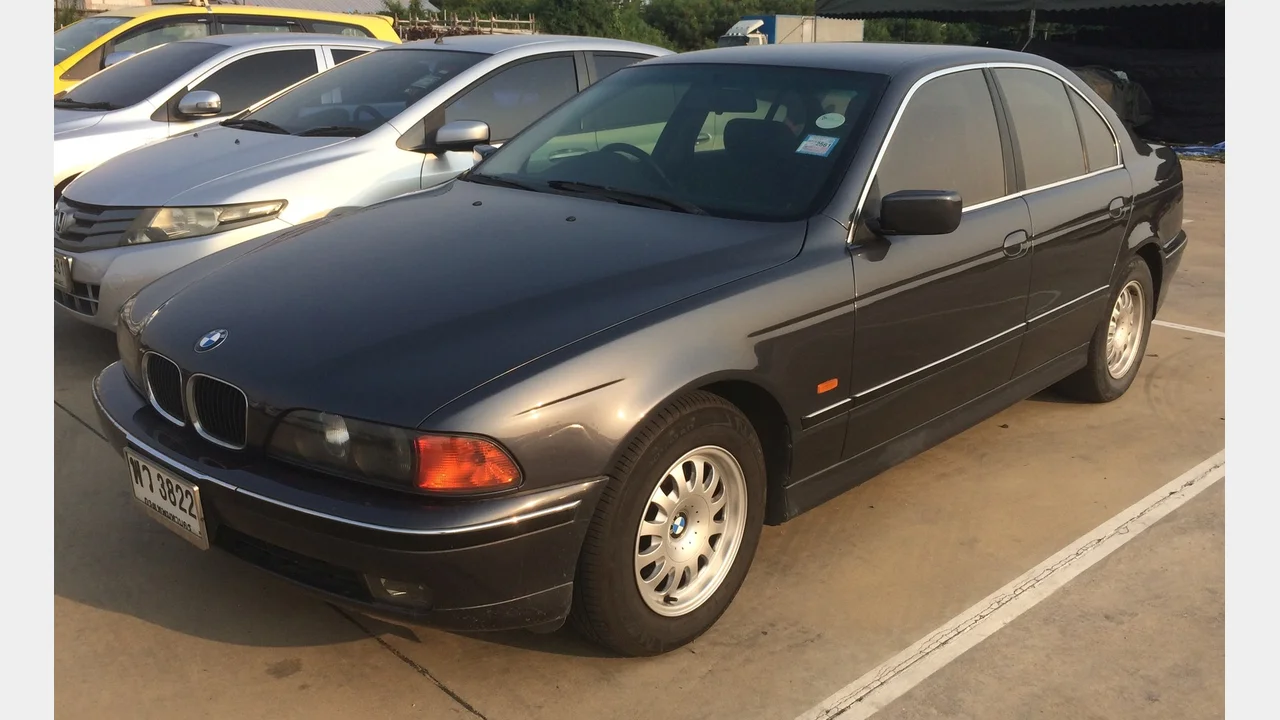
BMW E39 530d In-Tank Fuel Pump
A weak or failing BMW E39 530d in-tank fuel pump can produce symptoms that mimic other fuel system problems, so buying the right replacement starts with understanding what the pump does and when it is actually at fault. The diesel common-rail setup relies on steady delivery volume and fuel pressure rather than the higher-pressure rail itself doing all the work. Recognizing how supply, filtration, injector demand, and fuel trim behavior interact helps owners avoid replacing an expensive assembly when a restriction, leak check issue, or electrical fault is the real cause.
The direct answer
When the E39 530d exhibits long cranking, hesitation under load, or sudden stalling with no injector fault stored, the in-tank pump is a likely supply-side suspect. On this diesel application, the lift pump in the tank feeds the high-pressure pump, and insufficient delivery can reduce rail pressure without immediately setting a manufacturer-specific code. Checking for a silent pump during key-on, weak flow at the filter housing, or noisy operation after driving helps distinguish a tired motor from air ingress or a blocked pickup.
A replacement decision should be conditional on confirming the engine configuration and fuel system layout for the specific model year, because BMW diesel variants differ in pump control and sender integration. A genuine issue may involve the electric motor, the suction screen, the siphon transfer, or the level sender circuit. If the engine starts with a temporary external supply or pressure at the rail recovers after priming, the in-tank pump is more strongly implicated; a hard-start condition that remains unchanged points to injector leakage, high-pressure regulation, or fuel filter restriction instead.