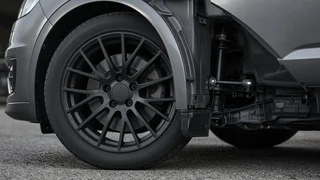
BMW E36 M3 Wheel Offset
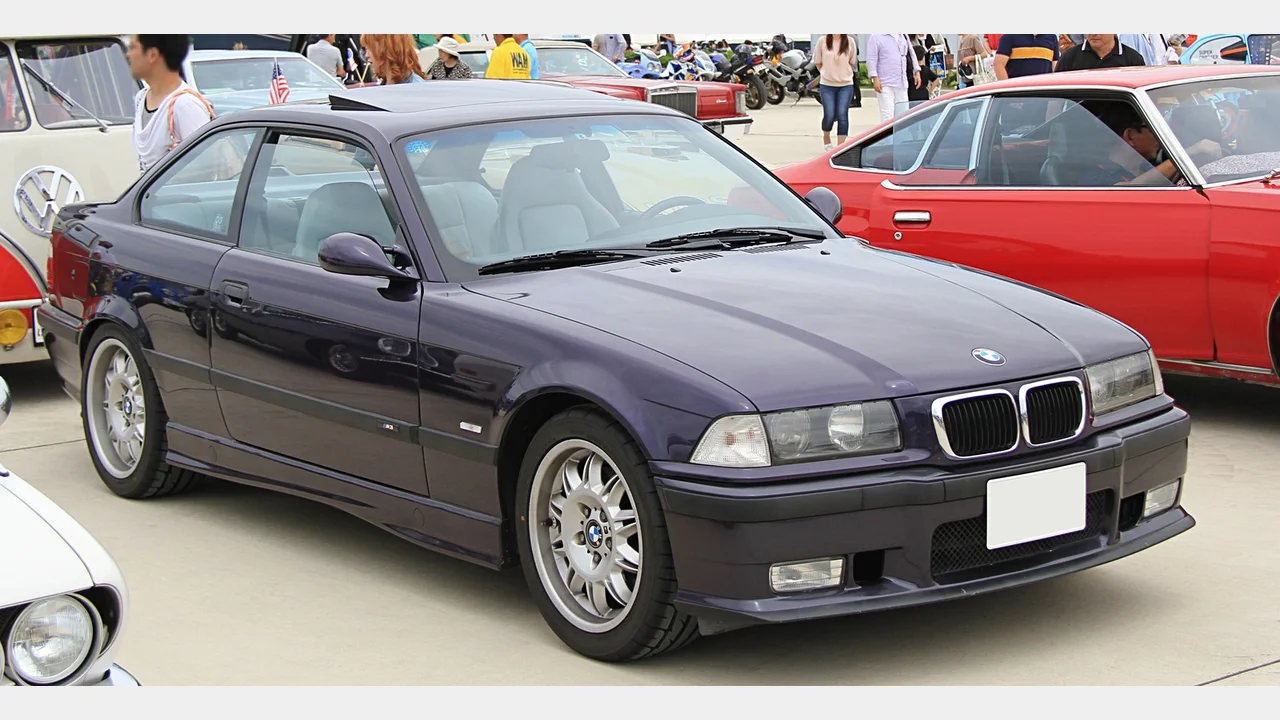
Getting the right wheel offset on a BMW E36 M3 is central to both fitment and feel. The offset number controls where the wheel’s mounting face sits relative to the rim’s centerline, which in turn determines whether the tire and rim package tucks inside the arch or pushes toward the fender. Enthusiasts often study this specification alongside rim width, rim diameter, and bolt pattern because clearance can disappear quickly when suspension compresses or steering angle increases. The following explanation keeps the topic grounded in practical wheel geometry so you can evaluate whether a given setup is likely to work on this chassis.
Essential answer
The phrase “e36 m3 wheel offset” refers to the distance, usually expressed in millimeters, between the mounting surface of the wheel and the exact centerline of its barrel. A zero offset means the hub face sits on that centerline. A positive offset moves the mounting surface toward the outer face, tucking the wheel inward. A negative offset pushes the hub face toward the brake side, which moves the outer rim lip outward. For the E36 M3, the useful range involves moderate positive values, but the acceptable number changes with rim width and tire compatibility.
In practice, offset cannot be judged without considering rim width. A wider rim with the same offset as a narrower rim adds material on both sides of the centerline, reducing clearance at the strut and the fender at different rates. That is why serious fitment discussions pair offset with width and rim diameter. Bolt pattern is a separate fixed requirement, but it is often mentioned in the same conversation because the wheel must mount correctly before offset even matters. The goal is a combination that keeps the tire off the suspension while preserving enough outer clearance for body roll and steering.