BMW Differential Oil: What Your Car Needs and How to Confirm It
The Short Answer
There is no single differential oil for every BMW. The correct fluid depends on the specific vehicle: its generation, model year, drivetrain (rear-wheel drive or xDrive all-wheel drive), and the differential fitted, including whether it is an open or limited-slip unit. The safest way to choose is to use the oil BMW specifies for your exact vehicle, identified through the owner's documentation, a BMW dealer's parts department, or a parts catalogue searched by your vehicle identification number (VIN).
This guide explains what differential oil does, why the specification matters, and how to confirm the right product. It does not list viscosities, capacities or part numbers for individual models, because no verified model-by-model data was supplied, and these values vary across the range.
What Differential Oil Does
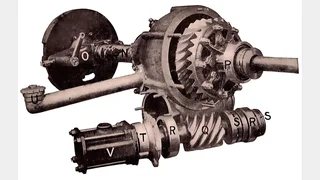
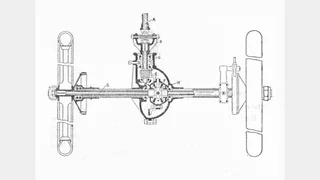
The differential lets the driven wheels turn at different speeds through corners while still sending power to both. Inside, hypoid gears (gears with offset, angled teeth that slide as well as roll against each other) run under high pressure. Differential oil, often called gear oil or axle oil, lubricates these gears and the bearings, carries heat away, and protects the surfaces from wear.
Why the Exact Specification Matters
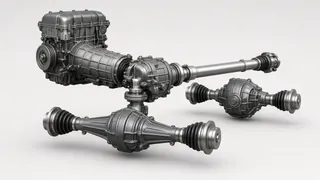
Viscosity: gear oils are graded by thickness, and the specified grade is chosen for the gear set and operating temperatures. Additive package: hypoid gears need extreme-pressure additives, and some oils are formulated specifically for a manufacturer's approval. Limited-slip differentials: a limited-slip differential (LSD) uses internal clutches or similar mechanisms to limit wheel spin. Some require a fluid with friction modifiers, or a specific approved oil, to work smoothly; the wrong fluid can cause chatter or reduced effectiveness. All-wheel drive: xDrive vehicles have a front differential as well as a rear one, and the two may not share the same specification.
How to Find the Right Oil for Your BMW
Check the owner's handbook or service information for the fluid specification. Ask a BMW dealer's parts department to look up the approved differential oil using your VIN. If buying an aftermarket product, confirm that it states the BMW approval or specification your vehicle requires, not just a matching viscosity. Confirm the fill quantity for your specific differential from the same source, as capacity varies by unit.
A Note on Service Intervals
BMW has marketed some driveline fluids as long-life or lifetime fills. Whether, and when, to change differential oil anyway is a judgment that depends on mileage, driving style, towing, track use and the vehicle's age. No verified interval data was supplied for this article, so treat any specific mileage recommendation you encounter as something to check against BMW's guidance for your vehicle.
Before You Change It Yourself
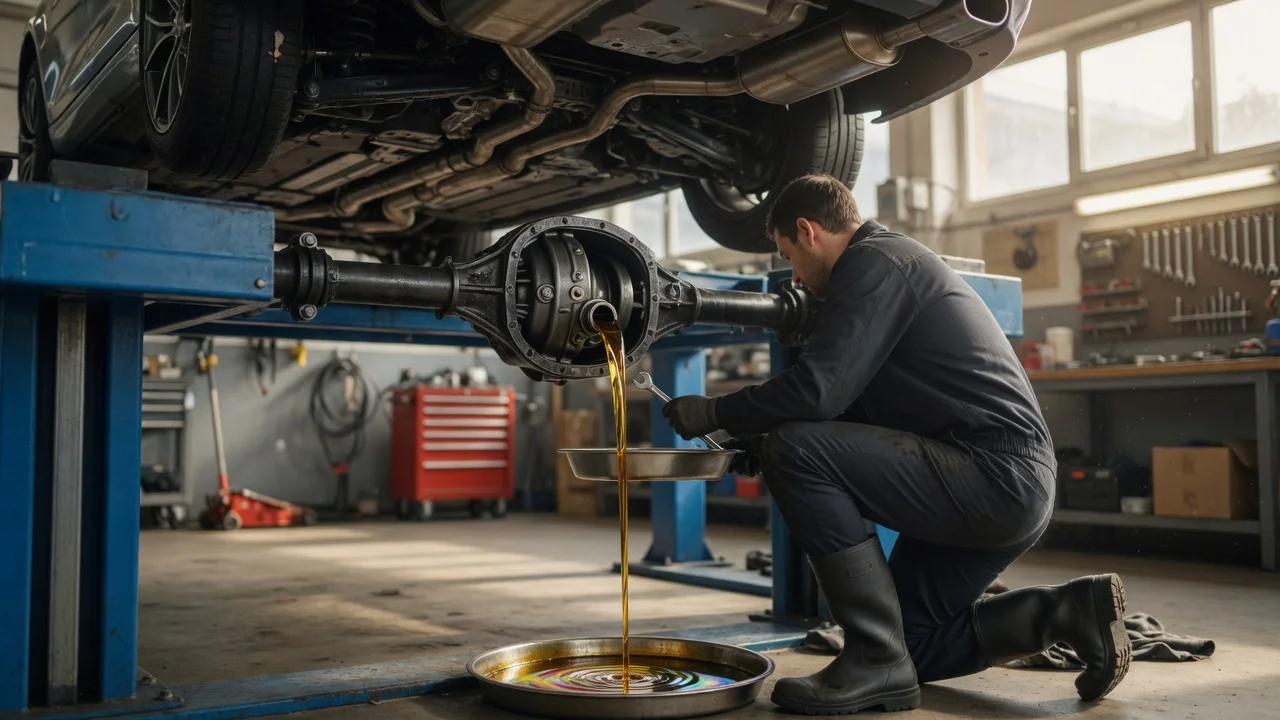
A practical precaution is to loosen the fill plug before removing the drain plug. If the fill plug cannot be removed, the differential can be left empty with no way to refill it. Use the correct fluid, the confirmed quantity, and replacement sealing washers or plugs where your vehicle's service information calls for them.
Information Gaps
This article does not provide model-specific viscosities, BMW part numbers, fill capacities, torque values or change intervals, as none were available from verified sources. Those details should come from BMW documentation or a dealer lookup for your exact vehicle.