BMW B38 Timing Chain
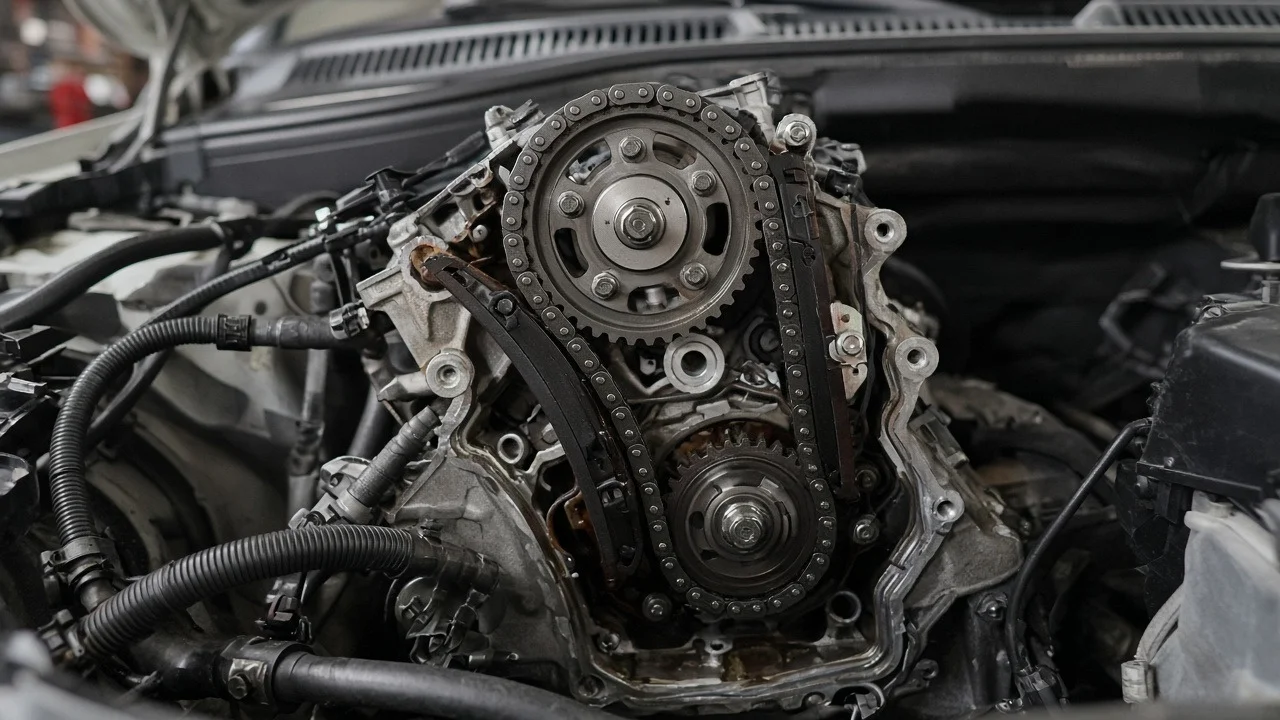
When a BMW B38 engine develops a cold-start rattle or an occasional rough idle, the timing chain often becomes the focus of attention. This turbocharged three-cylinder engine uses a timing chain to keep the crankshaft and camshafts synchronized, so any wear or tensioner issue can change valve timing and drivability. Understanding how this chain works, what symptoms to watch for, and how engine configuration and service history influence diagnosis helps owners separate normal operation from a developing problem without guessing at repairs.
Essential answer
The B38 engine timing chain is the internal link that coordinates the crankshaft with the intake and exhaust camshafts. In this engine configuration, the chain runs inside the front timing case and is controlled by a hydraulic or spring-loaded tensioner. Its job is to hold accurate valve timing across a wide range of temperatures and engine speeds. When the chain stretches slightly or a guide wears, the relationship between piston position and valve opening shifts, which can produce noise, rough running, or diagnostic codes related to camshaft position.
A direct answer to concerns about the B38 timing chain is that it is a wear item that deserves inspection when specific symptoms appear, but a fault code alone does not prove the chain has failed. Manufacturer-dependent diagnostic codes require vehicle-specific confirmation because similar camshaft correlation faults can come from sensor wiring, oil pressure problems, or a tensioner that is slow to extend. Service history matters here: regular oil changes help preserve chain and guide life, while neglected intervals can accelerate wear and make timing-related symptoms more likely.