BMW B37 Timing Chain
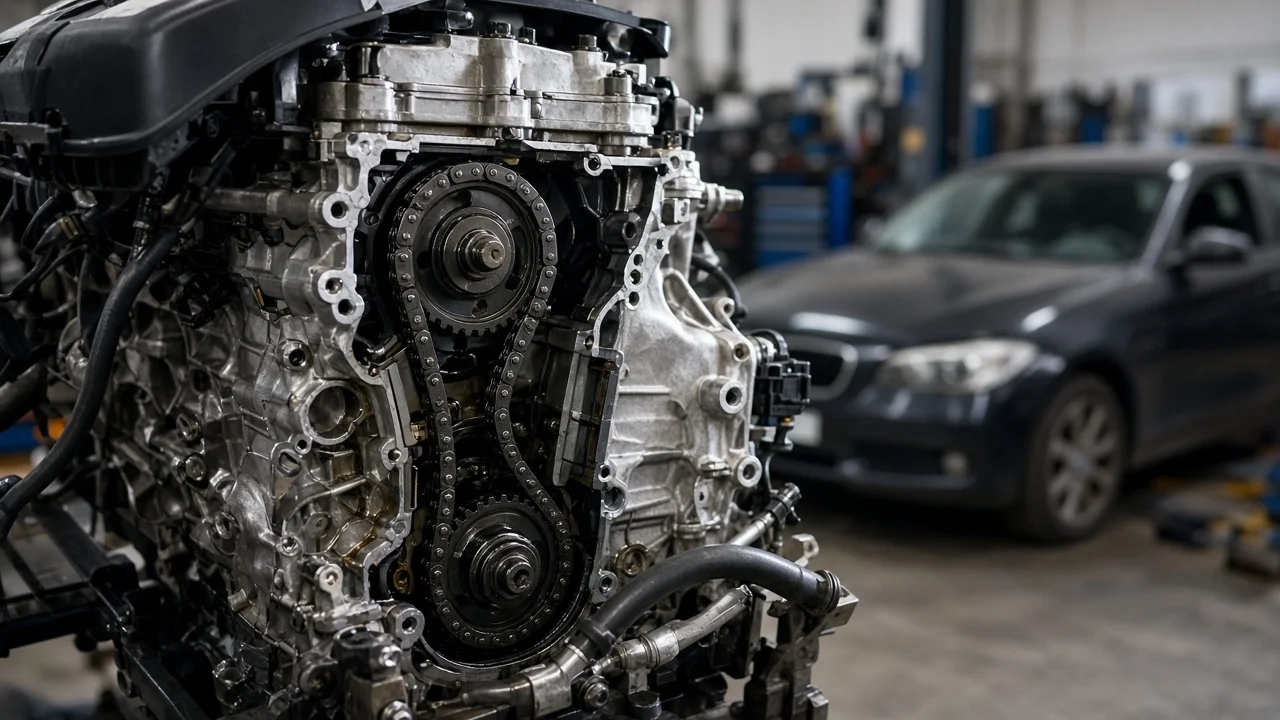
A timing chain question on the BMW B37 engine usually starts with a noise, a diagnostic code, or a service history concern. This small diesel powerplant uses a chain-driven valvetrain, and owners often want to know whether the chain is a weak point, what symptoms appear first, and how the issue differs from other BMW engines. The short answer is that the B37 timing chain is a known wear and reliability topic, but the evidence cannot confirm a single failure rate or repair cost. The practical focus should be on recognizing early warning signs in the correct engine context before assuming the chain has failed.
Essential answer
The BMW B37 is a compact diesel engine configuration where the timing chain coordinates the crankshaft, camshafts, and related drive components. When owners search for a B37 engine timing chain, they are typically investigating whether the chain stretches, rattles, or loses synchronization. General automotive reasoning says chain wear can develop gradually and may first appear as a cold-start rattle, rough running, or correlation fault codes. However, a fault code is evidence to interpret, not proof that the chain itself has failed.
Because the B37 was used in several small BMW and MINI applications, manufacturer-dependent details such as part revisions, service intervals, and warranty programs require vehicle-specific confirmation. The useful first step is an inspection that separates chain noise from injector clatter, accessory drive noise, or hydraulic tensioner problems. Service history also matters, because oil change habits and operating conditions influence chain and guide wear. Without supplied support, exact repair costs or failure rates should not be treated as established facts.