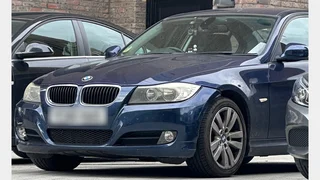
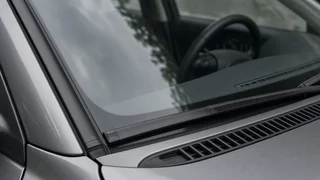
BMW 3 Series E90 (328i/335i) Windshield Molding Replacement
Windshield molding on a 2008 BMW 328i, or later 2010 and 2011 328i and 335i models, often looks cracked or shrinks long before the glass fails. That trim is more than cosmetic because it helps manage water and wind around the glass. Understanding what the molding actually does can prevent an unnecessary windshield replacement. This overview explains the E90 part, how it differs by body and glass fitment, and why addressing seal condition early usually protects against water ingress while preserving visibility.
Essential answer
For a 2008 BMW 328i windshield molding, the essential answer is that the outer trim is typically a separate service part rather than a reason to replace the entire windshield. The E90 molding sits along the edges of the glass and also covers the gap at the roof line. When it cracks, lifts, or shrinks, the glass itself may still be firmly bonded. Replacement generally involves removing the old trim and fitting a new piece that matches the vehicle specification, with later 2010 and 2011 328i and 335i models using similar arrangements but not always identical profiles.
The scope changes when the molding is part of a windshield reveal that includes an integrated seal or when the urethane bond has been disturbed. In that case, a 335i windshield molding job may require more than pressing a trim into a channel. If the old piece has allowed water ingress, the underlying pinch weld and glass fitment should be checked. The practical point is to address the damaged molding on an E90 before the seal condition worsens, because the trim does contribute to clean wiper contact and reduced wind noise at the A-pillars and header.