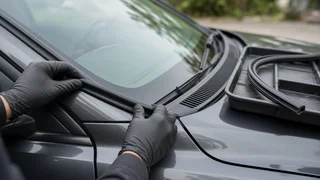
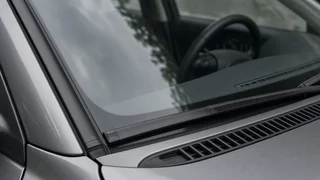
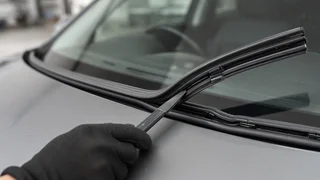
BMW windshield molding replacement
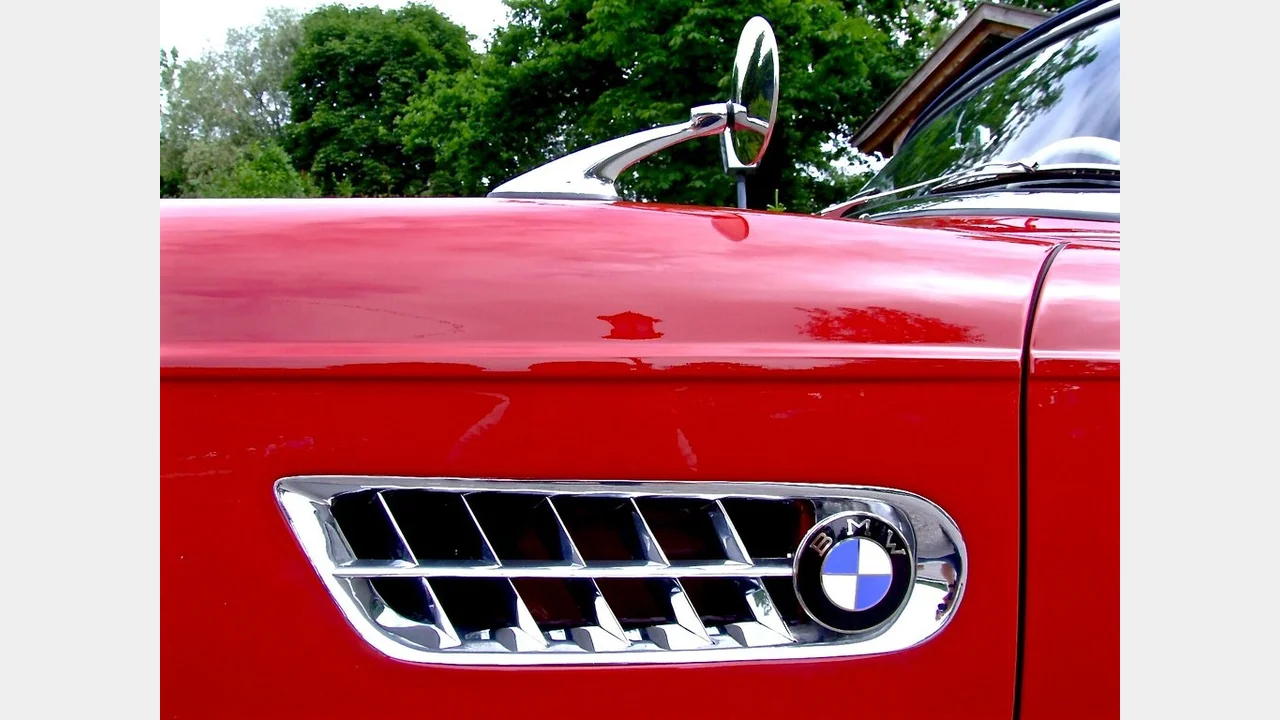
When a BMW windshield molding cracks, lifts, or shrinks, owners often notice wind noise, water staining, or a faded black edge around the glass before anything else. The molding is more than a cosmetic frame; it helps direct water away from the pinch weld and affects how the glass sits against the body. On vehicles such as the E90, E92, E60, X5, and Z4, replacement approaches differ because some moldings are bonded to the glass while others are separate trims. Understanding which style is fitted changes the repair scope, the risk of glass damage, and whether a mobile glass service or a body shop is the more practical route.
Essential answer
BMW windshield molding replacement generally means renewing the rubber, plastic, or metal trim that surrounds the front glass. On some models, the molding is a separate channel that can be removed without disturbing the urethane bond. On others, the upper and side reveal molding is installed as part of the windshield assembly, so replacing it properly usually requires removing the glass and cutting the old adhesive.
The practical answer depends on the body style. An E90 sedan or E92 coupe may use a press-in side trim that can be ordered separately, while an E60 or X5 can have a more integrated front windshield molding. Before buying parts, inspect whether the damaged piece is a standalone trim or a bonded reveal. Treating a windshield-mounted molding as a push-in part can crack the glass or leave the seal unable to control water ingress.