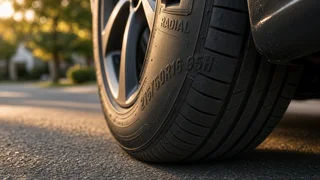
Bias ply tire speed rating

A bias ply tire speed rating describes the maximum sustained speed a tire can handle under its rated load, but interpreting that rating requires understanding how bias ply construction behaves differently from modern radial tires. Older bias ply designs use body cords that cross the tread at angles, creating a stiffer casing that generates more heat at highway speed. The supplied DataForSEO query reflects a common owner need: confirming whether a bias ply tire's rating suits a particular vehicle and driving situation.
Essential answer
The essential answer is that bias ply tires generally carry lower speed ratings than comparable radials because their overlapping cord layers flex more and build heat faster. A speed rating is a letter or symbol indicating the certified maximum speed under laboratory conditions, not a recommendation to drive at that limit continuously. For bias ply tires, the rating is most relevant when a vehicle originally specified this construction, such as certain classic cars, trailers, or specialty applications where the stiffer sidewall is expected.
When comparing a bias ply tire to a radial on the same vehicle, the rating alone does not tell the whole story. The tire size, load index, and inflation pressure on the vehicle placard work together to define safe capacity. A bias ply tire may need a different inflation pressure or speed expectation than a radial of the same dimensions. Drivers should check the complete sidewall markings and the vehicle manufacturer's guidance rather than assuming a speed rating transfers directly between construction types.