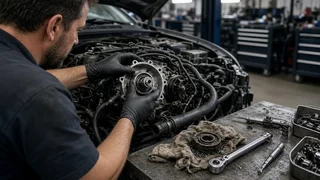
Benefits of a New Water Pump

A new water pump restores dependable coolant circulation through the engine’s cooling circuit, helping the radiator, thermostat, and pressure cap manage heat as intended. Replacing a worn pump reduces the risk of overheating, bearing noise, leakage, and air pockets that disrupt flow. For a car owner noticing temperature instability or seepage near the pump housing, the main benefit is a return to stable operation before minor problems become expensive repairs. The correct coolant specification and concentration still matter, but a healthy pump gives the system the pressure and volume it needs to protect the engine.
Essential answer
The central advantage of installing a new water pump is renewed coolant movement. The pump circulates liquid from the radiator through the block and head, and a fresh impeller restores the flow rate and low-level pressure that keep heat transferring evenly. This reduces hot spots and helps the thermostat open and close predictably. When the old pump has a corroded impeller or a loose bearing, circulation can be adequate at idle and weak at speed, so the benefit is not always obvious until the engine is under sustained load.
A new pump also addresses leakage at the shaft seal or mounting surface and eliminates the bearing play that can produce noise and stress. Preventing external coolant loss avoids low coolant concentration and air pockets, which interfere with heat rejection at the radiator. The replacement therefore supports the entire cooling circuit rather than only fixing one component. Because some vehicles use manufacture- specific designs, confirming the correct pump and gasket for a particular model is part of gaining the full reliability benefit.