Bell Tire Pressure Gauge
A reliable tire pressure gauge turns a dashboard warning light or a visual low-tire check into a clear measurement you can act on. If you are comparing a Bell tire pressure gauge, the practical question is whether its build, readout, and connection fit the way you check pressures at home or on the road. Choosing well comes down to matching the tool’s measurement range, accuracy, and units to your vehicle specification and typical tire pressures, so each check supports steadier wear, better traction, and consistent fuel use.
The direct answer
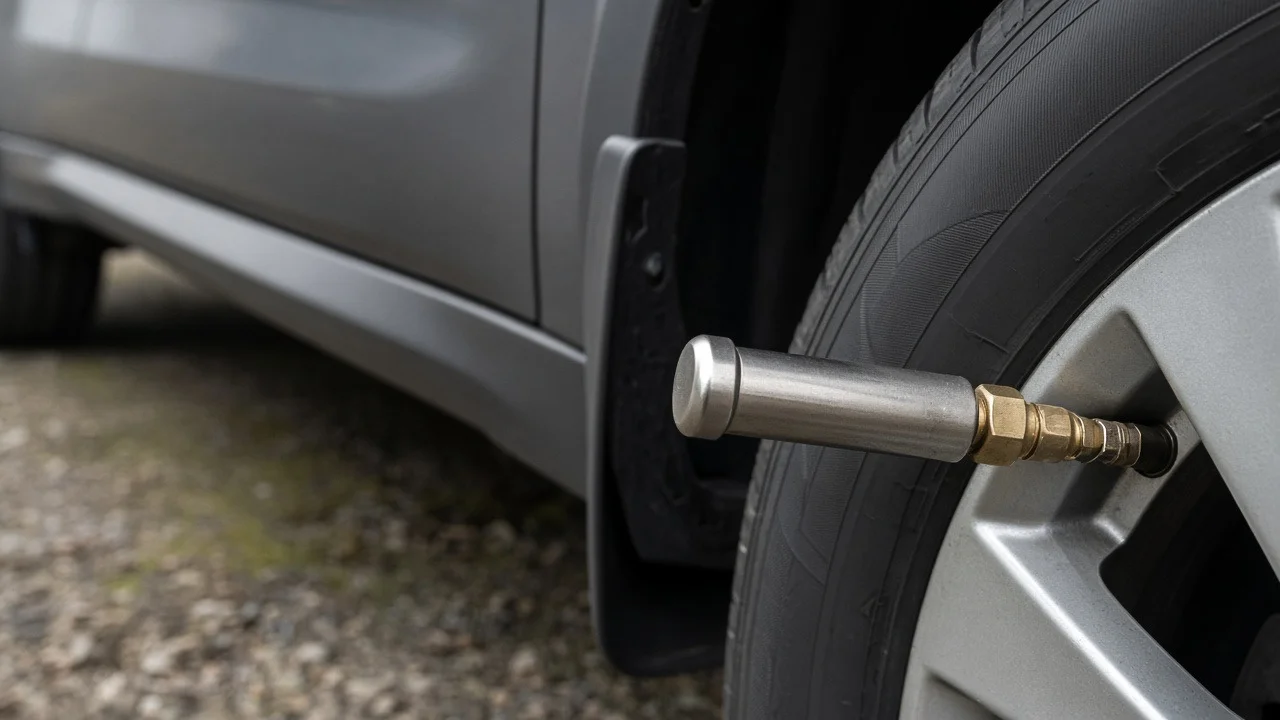
A Bell tire pressure gauge is best understood as a general-use inflation-checking tool for cars, light trucks, SUVs, and other highway vehicles. It gives you a direct reading at the valve stem, which is useful for confirming pressure before a trip or after a tire has cooled. The right choice depends mainly on the gauge’s measurement range and how clearly it displays results in the units you normally use, typically psi in the United States.
Before buying, check that the gauge covers the pressures listed on your vehicle’s tire information label rather than the maximum on the tire sidewall. Pay attention to the connection at the chuck, because a firm seal reduces the small air release that can make a reading drift. Accuracy and calibration matter most when you are chasing a few psi, while a dial or digital display with a clear face helps you read the result without guessing between markings.