Ball-at-Bumper Trailer Hitch
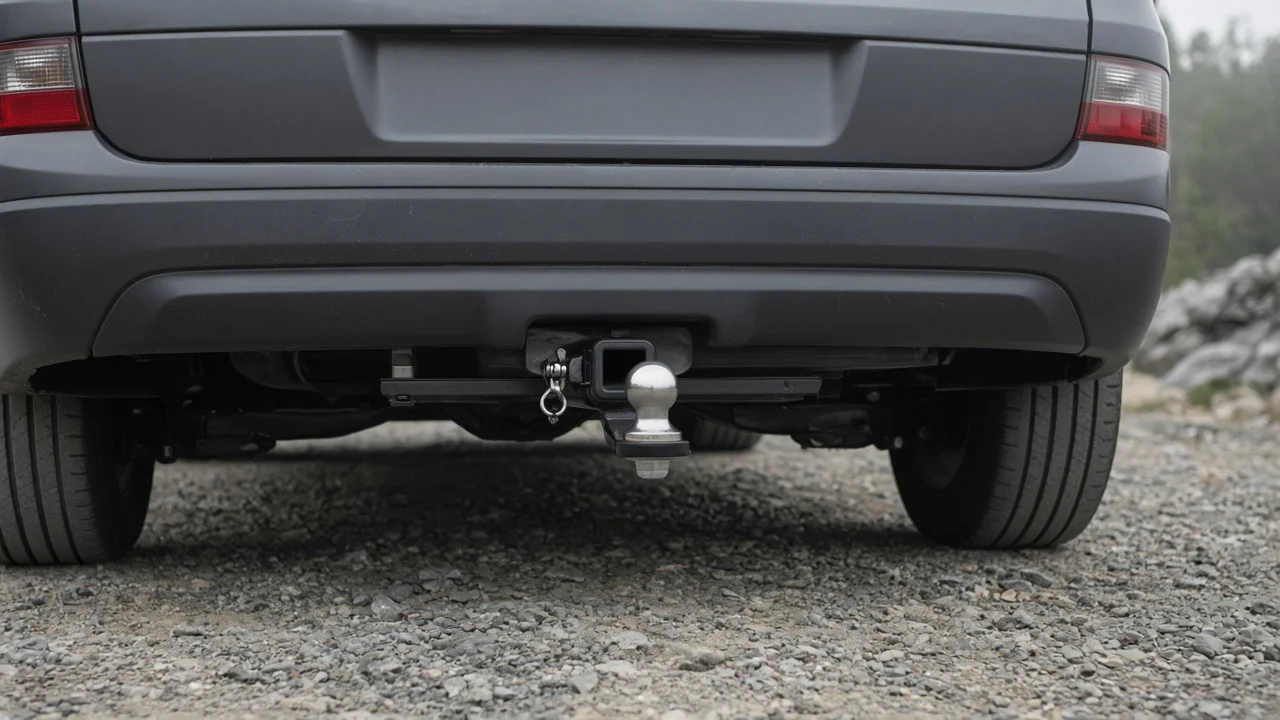
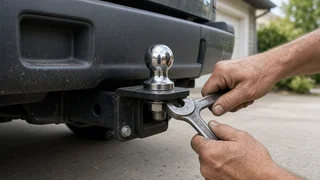
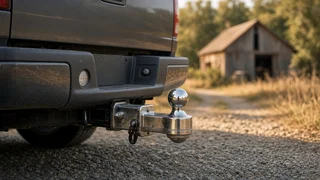
A ball-at-bumper trailer hitch generally describes a towing ball mounted at the rear bumper area rather than tucked under the frame on a receiver-style hitch. Some passenger cars and light trucks were originally equipped with a step-bumper or bumper-mounted ball platform, while later designs moved the ball to a dedicated receiver. The distinction matters for load path, attachment points, and what the vehicle can safely tow. Because the rear bumper's structure, surface preparation, and panel alignment differ from a frame-mounted receiver, a ball-at-bumper arrangement should not be treated as automatically equivalent to a modern receiver hitch, especially when corrosion protection or repair methods have altered the original metal.
Essential answer
A ball-at-bumper trailer hitch refers to a trailer ball attached directly through or onto the rear bumper structure, typically by bolting a ball mount onto the horizontal bumper platform. This older style put the ball closer to the body and used the bumper's stamped or reinforced steel as the load-carrying member. In contrast, a modern receiver hitch bolts to the vehicle frame or unibody rails and accepts a removable ball mount. The difference is not cosmetic: the available tongue capacity and trailer stability depend on where the pulling force enters the vehicle and how that substrate material resists bending and fatigue.
A factory step-bumper with a raised ball platform may have been designed for light towing such as a small utility trailer or boat, but the rating can be limited by the bumper's mounting brackets and the condition of the surrounding sheet metal. If a ball has been added to a standard bumper without the correct reinforcement, the repair method and surface preparation around the bolt holes become important. Corrosion at those holes weakens the section, and misaligned panel work or prior body repairs can disguise a bumper that is no longer structurally suitable. The practical answer is therefore qualified: identify whether the ball is mounted on a purpose-built towing bumper or on a standard bumper that has simply been drilled.