Bajaj Pulsar NS200 engine oil capacity
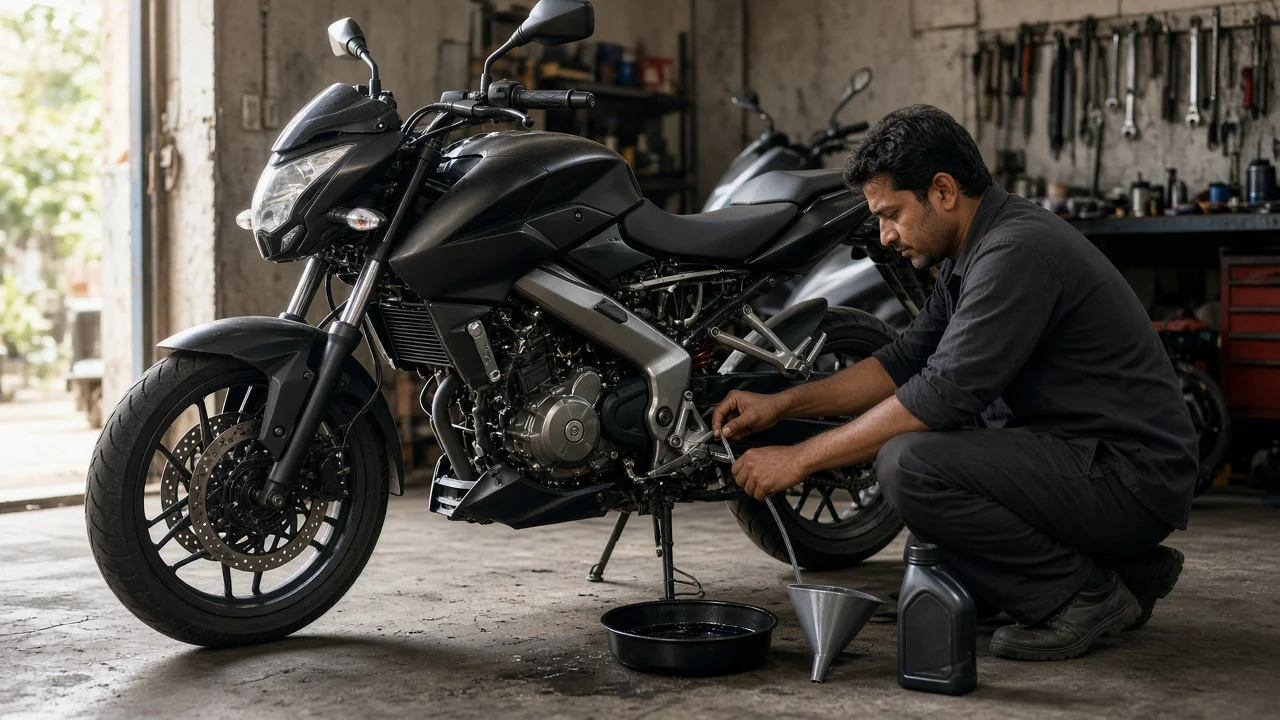
Engine oil capacity is a fundamental service detail for the Bajaj Pulsar NS200, and getting it wrong affects everything from cold-start protection to sustained highway oil pressure. Riders researching this specification usually want to know how much lubricant to buy, what happens during a level check, and why the fill quantity matters for this liquid-cooled single-cylinder design. Without a confirmed manufacturer figure in the supplied evidence, the useful answer must explain how capacity is interpreted, why it differs from the amount added during a drain-and-refill, and how the dipstick or sight-glass reading provides the practical check that protects the engine.
Essential answer
The direct answer to the Bajaj Pulsar NS200 engine oil capacity question is that the total lubricant volume is determined by the manufacturer and must be confirmed for the specific model year or engine revision, because the supplied material does not include a verified number. Capacity describes the total volume of oil the engine and filter system can hold, while the refill quantity after draining is often slightly less because residual lubricant remains in the oil cooler lines, cylinder head passages, and pump housing. Riders should treat any widely quoted figure as a starting point, not a substitute for the level check.
In practical terms, the correct fill quantity is the volume that brings the oil level into the marked operating range after the engine has been run briefly and allowed to settle. Adding the full nominal capacity immediately after a drain can overfill the sump if a significant amount of old oil remains trapped. The safest sequence is to add most of the expected volume, start the engine to circulate lubricant through the filter and cooler circuit, shut it off, wait for drain-back, and then top up in small increments while observing the level indicator.