Aviation Spark Plug Gap Gauge

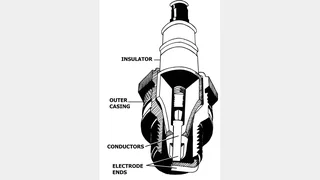
Choosing an aviation spark plug gap gauge comes down to matching the tool to the electrode design and the clearance you need to verify before installation or inspection. Aircraft ignition systems tolerate less guesswork than typical automotive engines, so the gauge must allow a repeatable check of the gap without scratching the center electrode or wedging against the ground electrode. Understanding how the gauge interacts with massive or fine-wire plugs helps you avoid a reading that feels correct but leaves the plug outside the manufacturer specifications for the engine configuration and its expected service history.
The direct answer
The direct answer is to use a dedicated gauge that offers clean blade or wire sizes covering the plug's specified gap range, and to verify the reading without forcing the tool between the electrodes. A round wire gauge is often kinder to aviation plugs than a flat automotive ramp gauge, because it can enter the clearance without levering the ground electrode sideways. The correct size should pass with light drag while the next size up should not slip through, confirming the gap before the plug goes back into the cylinder.
This immediate question changes if the plug uses an eroded electrode, uneven wear, or a fine-wire center electrode with a delicate iridium or platinum tip. In those cases the gauge choice matters more than the numeric reading, because a stiff or oversize feeler can easily close or widen the gap during the check. When symptom conditions such as hard starting or rough running point toward ignition trouble, the gauge should be treated as a diagnostic aid rather than proof that the plug is out of adjustment.