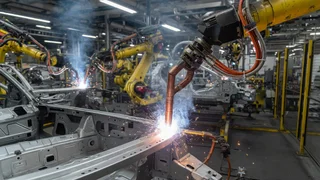
Automotive Spot Welding Machines
Choosing an automotive spot welding machine starts with matchable metal thickness, duty cycle, and the control needed for repeatable weld quality. A machine that can squeeze, time, and deliver current consistently helps a repair or fabrication project produce uniform nuggets without excess heat input. Many buyers initially compare only amperage, but the real purchase decision includes joint access, power supply, cooling method, and how the controls behave on the steel you actually work with. The following direct answer explains which machine attributes deserve the most attention before you commit.
The direct answer
For most automotive sheet metal repair and fabrication, the best choice is a 220-240 volt resistance spot welder with adjustable weld time and current control, paired with proper electrode pressure and clean panel surfaces. The condition that materially changes this answer is the type of work: occasional patch repairs on 18- to 22-gauge steel do not require the same machine as high-volume production or thicker structural sections. Matching the machine to the sheet stack is more important than chasing the highest output number.
A single-phase, air- or manually-actuated spot welding machine usually handles the thin coated and uncoated steels common in automotive panels when the tips are dressed correctly and the arms can reach the joint. If you plan to weld through adhesives, zinc coatings, or multiple thicknesses, look for a unit with finer process control rather than simply more current. Joint design and material thickness dictate whether the heat input produces a properly formed nugget or a weak, burned spot.